Climate Resilience in Cities in the GMS

Project Description

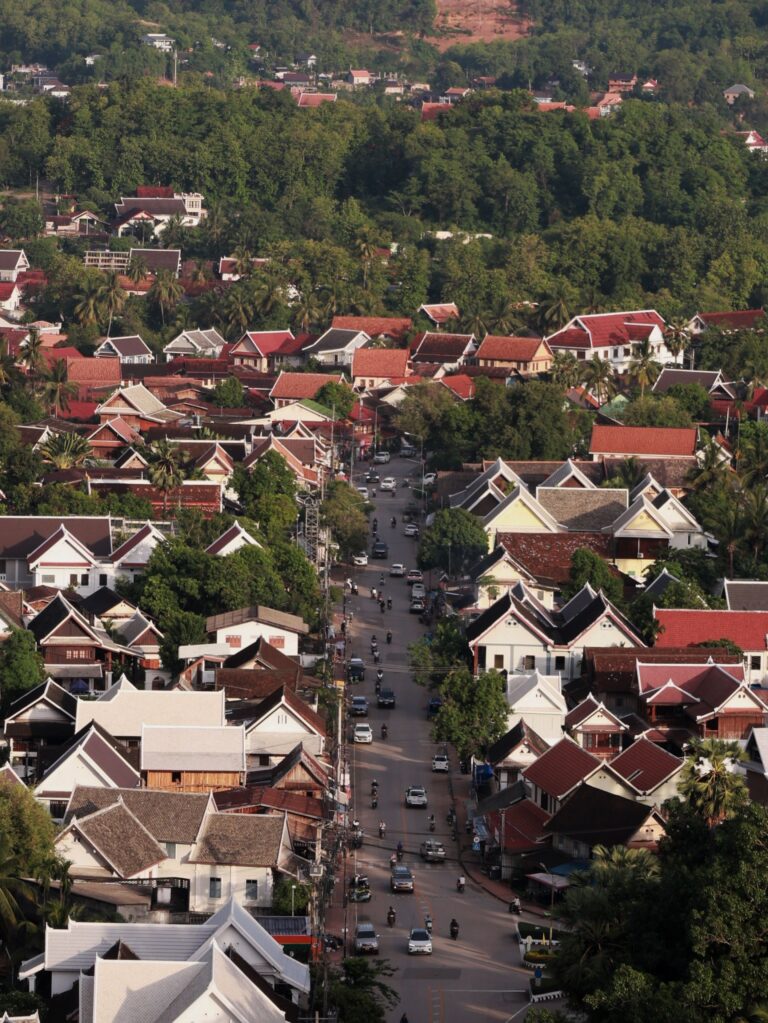
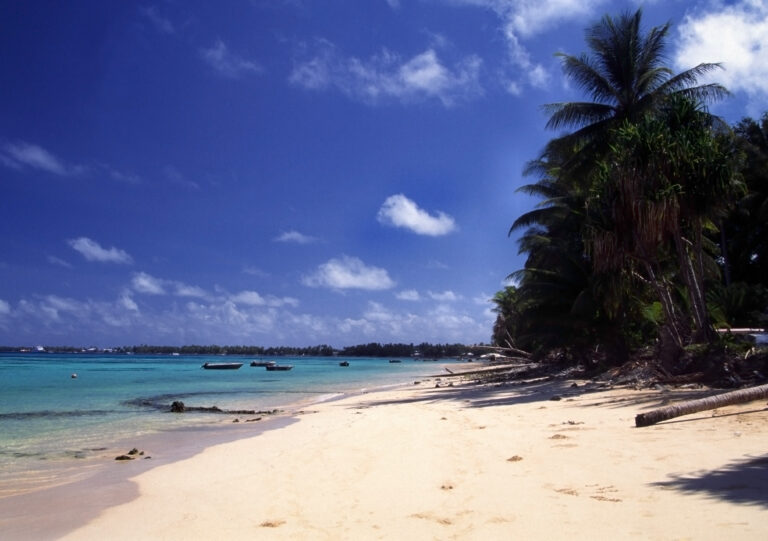
Rapid urbanization in the Greater Mekong Subregion (GMS) is unfolding at a pace far exceeding that of many OECD countries, particularly in small and medium-sized cities along key growth corridors. However, this development is increasingly threatened by climate change impacts, including rising sea levels, intensified flooding, droughts, and tropical storms. These risks disproportionately affect vulnerable communities in fragile environments and compromise critical infrastructure and livelihoods across sectors such as agriculture, manufacturing, and services. Despite some national-level adaptation efforts, specific urban agendas addressing climate resilience remain underdeveloped in the region.

Objectives, Activities and Results

This ADB-supported project aims to promote climate-resilient urban development in GMS cities by improving understanding and capacity to address climate risks. ICEM is conducting climate threat and vulnerability assessments in three towns—Battambang (Cambodia), Dong Ha (Vietnam), and Kaysone Phomvihane (Lao PDR)—with a focus on critical infrastructure. The project includes stakeholder engagement, knowledge-sharing events, and policy dialogues to support local governments in developing context-specific adaptation plans. A key output will be a handbook synthesizing lessons learned and good adaptation practices from the region and internationally, serving as a guidance tool for scaling urban climate resilience strategies throughout the GMS.

This project won an Asia wide Urban Resilience prize from USAID and UNDP.
client:
Asian Development Bank (ADB)
LOCATION:
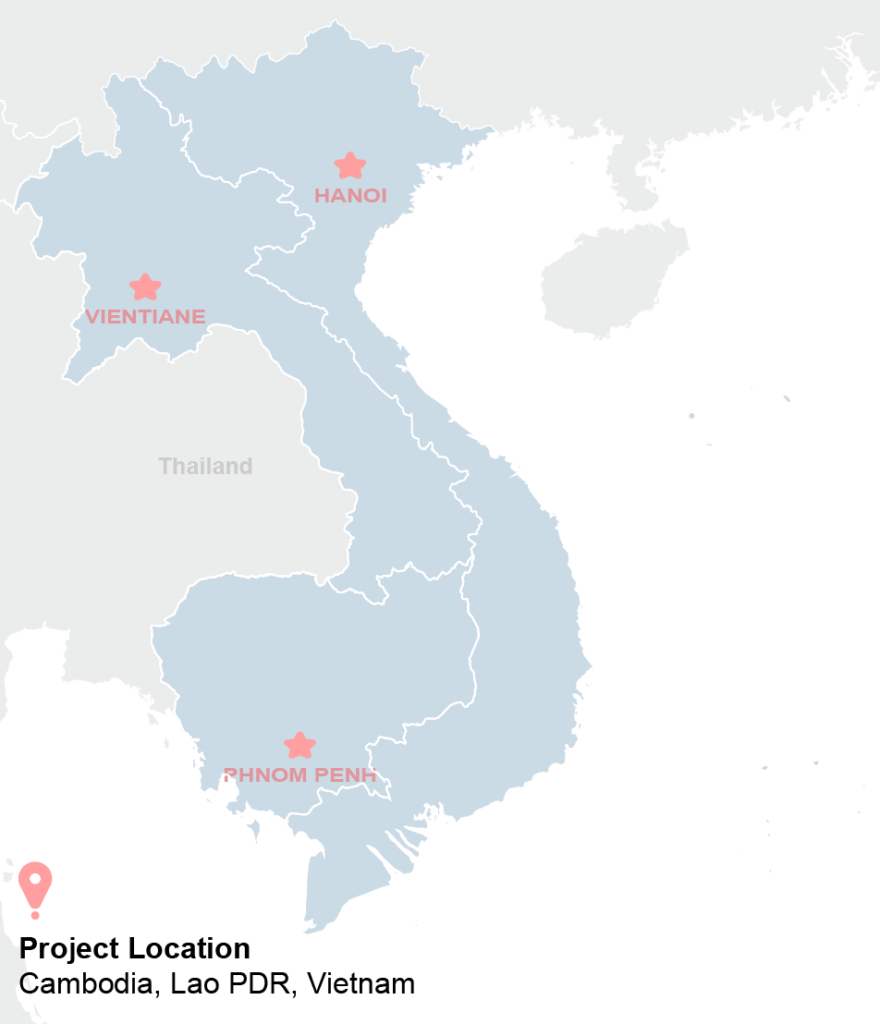
Cambodia,Lao PDR,South East Asia,Vietnam
TIME:
January 2013
to January 2014

TAGS

Climate Change, Disaster Risk Reduction, Project description, Urban Resilence
Cambodia, Lao PDR, South East Asia, Vietnam
Completed Project

Publications

The Nature-based Solutions for Building Resilience in Towns and Cities: Case Studies from the Greater Mekong Subregion is a publication that highlights the need for the integration of green infrastructure into urban policy, planning and design and underlines the importance of available and reliable climate data and of skilled human resources in achieving sustainable adaptation options in urban planning. Click the document title to view to report.

Volume 1: Nature Based Solutions for Resilient and Sustainable Mekong Towns

This volume sets out the main principles governing the application of green infrastructure concepts, approaches and measures as the foundation for building resilience and sustainability in Mekong towns. Also, it summarises some of the main lessons which the climate change core groups from the three towns have learned during this application of vulnerability assessment and adaptation planning methods to their town master plan and specific infrastructure systems.

Volume 2: Green Infrastructure for Resilient Mekong Towns

The Green Infrastructure volume introduces more than twenty nature-based solutions of special relevance to Mekong towns. They are grouped into four categories: Water and Flood Management, Slope Stabilisation, Pollution Management, and Heat, Energy, and Green House Gas Emissions Management. Each technique contains a brief description of its application, a list of benefits, and diagrams to help guide users in implementation. Green infrastructure solutions often complement each other, and are intended to be implemented as part of integrated packages or connected systems across the urban landscape. Matrices in Volume 2 help users combine different techniques and see which applications are best applied together for optimum benefits.

Volume 3: Urban Planning for Building Resilient Mekong Towns

This volume describes the urban planning and management framework needed to facilitate and guide the uptake of green infrastructure. It gives special attention to the role of town master planning and the use of zoning schemes and associated safeguards in promoting development that embraces nature-based approaches for sustainability and resilience.

Volume 4: Vulnerability Assessment and Adaptation Planning Guide for Building Resilient Mekong Towns

The vulnerability assessment and adaptation guide lays out a step-by-step process for assessing climate change impacts and vulnerabilities and for preparing and implementing adaptation plans. The guide includes templates and matrices that can be used to record data, create plans, and assist with prioritising adaptation measures.
Templates and matrices justify and add legitimacy to the adaptation plans as an important fixture in local government budget disbursements.

Volumes 5 to 7: Case Studies in Building Urban Resilience in Battambang, Dong Ha and Kaysone Phomvihane

Each town story includes a baseline assessment of the town as a whole and steps taken to improve the integration of climate change into town-wide planning. The volumes provide detailed descriptions of the step-by-step vulnerability assessment and adaptation planning processes applied by the core groups for two to three strategic infrastructure systems and areas in their town. Detailed town specific lessons learned from this work are included at the end of each volume.
  In July 2014, ICEM hosted the Regional Knowledge Sharing Workshop for planning professionals and government officials as part of the project. The workshop brought together participants from Dong Ha, Vietnam, Kaysone, Lao PDR, and Battambang, Cambodia. These medium-sized cities from the Mekong region face similar challenges brought about by climate change and are combining efforts to help increase their resilience to climate impacts.
To download appendices separately, see the list below:

RECENT PROJECTS