Project Context
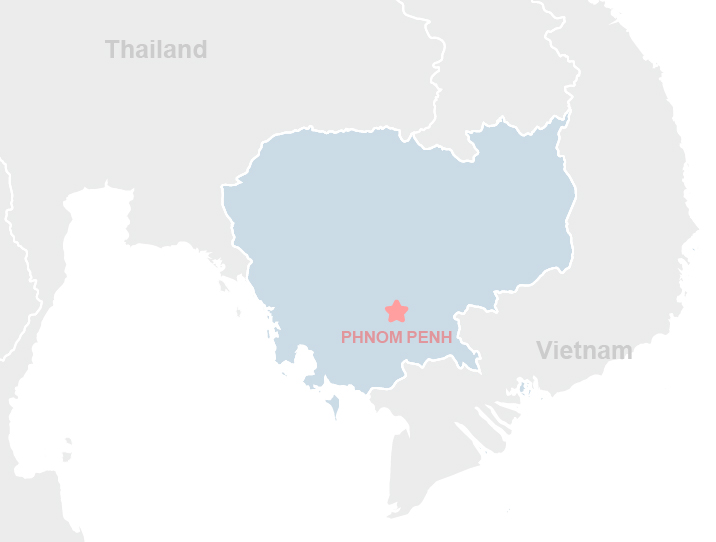
Cambodia continues to face increasing water insecurity, driven by strong seasonal variability. The situation is now intensified by climate change and limited investment in irrigation, drinking water systems, and water storage infrastructure. These constraints undermine dry-season agriculture, rural livelihoods, health, domestic water supply, livelihoods, and overall economic development, while disproportionately affecting women and girls through increased time spent on water collection, heightened exposure to gender-based violence, and reduced school attendance.
Over the past decade, development partners, including JICA, ADB, AFD, AIIB, and the World Bank, have invested to strengthen the irrigation sector. However, challenges remain in expanding reliable irrigation coverage and improving the operation, maintenance, and cost-recovery of existing systems.
In response, the Australian Water Partnership (AWP) is supporting the International Centre for Environmental Management (ICEM) and the Ministry of Water Resources and Meteorology (MOWRAM) to implement the Support to Cambodia on Irrigation Investment Assessment project. Over 13 months (Dec 2025–Dec 2026), the project aims to strengthen Cambodia’s irigation sector by developing a replicable, inclusive, and achievable methodology for monitoring and managing irrigation systems, thereby improving water security, agricultural productivity, and climate resilience.
Objectives
The overall aim of the project is to strengthen Cambodia’s irrigation sector by developing a replicable, inclusive, and achievable methodology for monitoring and managing irrigation systems, thereby improving water security, agricultural productivity, and climate resilience. In order to archive the overal aim, several objectives will need to be archived, including:
- Strengthen evidence-based decision-making by developing and piloting a national irrigation inventory methodology that integrates technical, socio-economic, Gender Equality, Disability, and Social Inclusion (GEDSI), and climate resilience dimensions, aligned with international standard and existing MOWRAM systems.
- Improve irrigation investment planning and performance through assessments of system functionality, sustainability, O&M, and cost recovery, ensuring future investments are inclusive, climate-informed, and aligned with national priorities.
- Embed GEDSI in irrigation planning and governance by addressing institutional barriers, collecting disaggregated data, and promoting equitable participation of women, people with disabilities, and minority groups in Farmer Water User Committees (FWUCs).
- Enhance climate resilience and adaptation by integrating climate hazard data and climate-smart indicators into irrigation planning and performance monitoring.
- Strengthen partnerships and coordination across MOWRAM, sub-national authorities, and development partners to improve data sharing, coherence, and sustained system updates.
- Respect Indigenous Peoples’ rights and priorities by ensuring inclusive irrigation planning and data collection that reflect the perspectives of ethnic minority communities.