Project Context
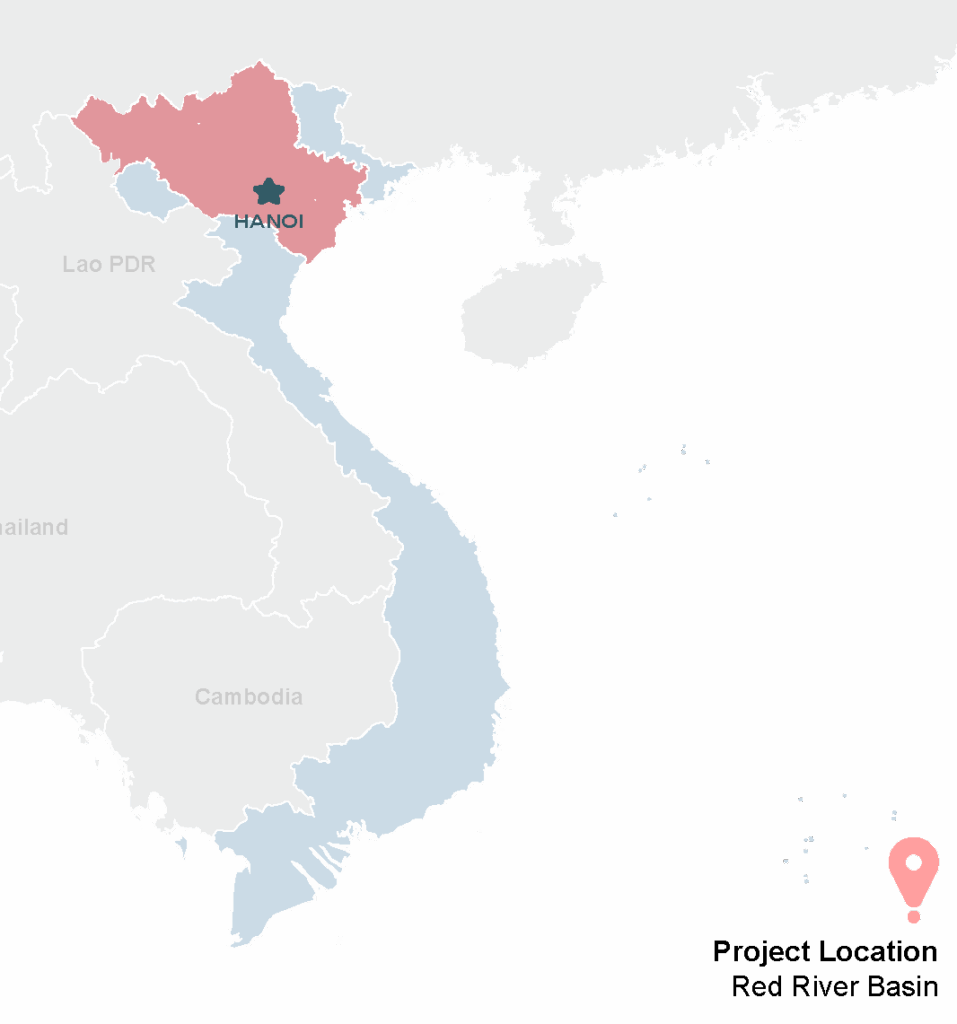
The Red River basin in northern Vietnam supports millions of people whose livelihoods, water security, and resilience to climate hazards are increasingly at risk from land degradation, ecosystem loss, and intensifying floods and droughts. Decades of infrastructure-heavy responses have addressed symptoms rather than causes, while the degradation of wetlands, forests, and agro-ecosystems continues to undermine the basin’s natural capacity to regulate water flows and sustain biodiversity.
This project, financed by the Global Environment Facility (GEF) and implemented through FAO, marks a deliberate shift toward holistic, nature-based approaches that manage water by restoring the ecosystems that underpin it. Working across priority sub-catchments and in close collaboration with national ministries and provincial governments, the project will pilot and scale community-based incentive mechanisms, including Payments for Ecosystem Services (PES), sustainable agriculture, and agroforestry, to drive on-the-ground restoration while improving livelihoods. ICEM is the lead technical implementing partner, contributing the project’s core expertise across integrated water resources management, forest and landscape restoration, environmental economics, biodiversity, and decision support systems.
Objectives
The project aims to:
- Improve the policy, regulatory, and institutional frameworks needed to support integrated ecosystem restoration and water security in the Red River basin, ensuring cross-sectoral coordination and alignment with Vietnam’s national targets for climate change, biodiversity, and land degradation neutrality.
- Design, pilot, and scale community-based incentive mechanisms for ecosystem restoration and nature-based solutions that measurably reduce flood and drought risk and improve rural livelihoods across three priority sub-catchments.
- Build local and national capacities for participatory watershed planning, ecological monitoring, and knowledge exchange, and develop strategies and tools, including through engagement with FAO’s Global Coordination Project, to scale effective restoration models nationally and internationally.