Project Context
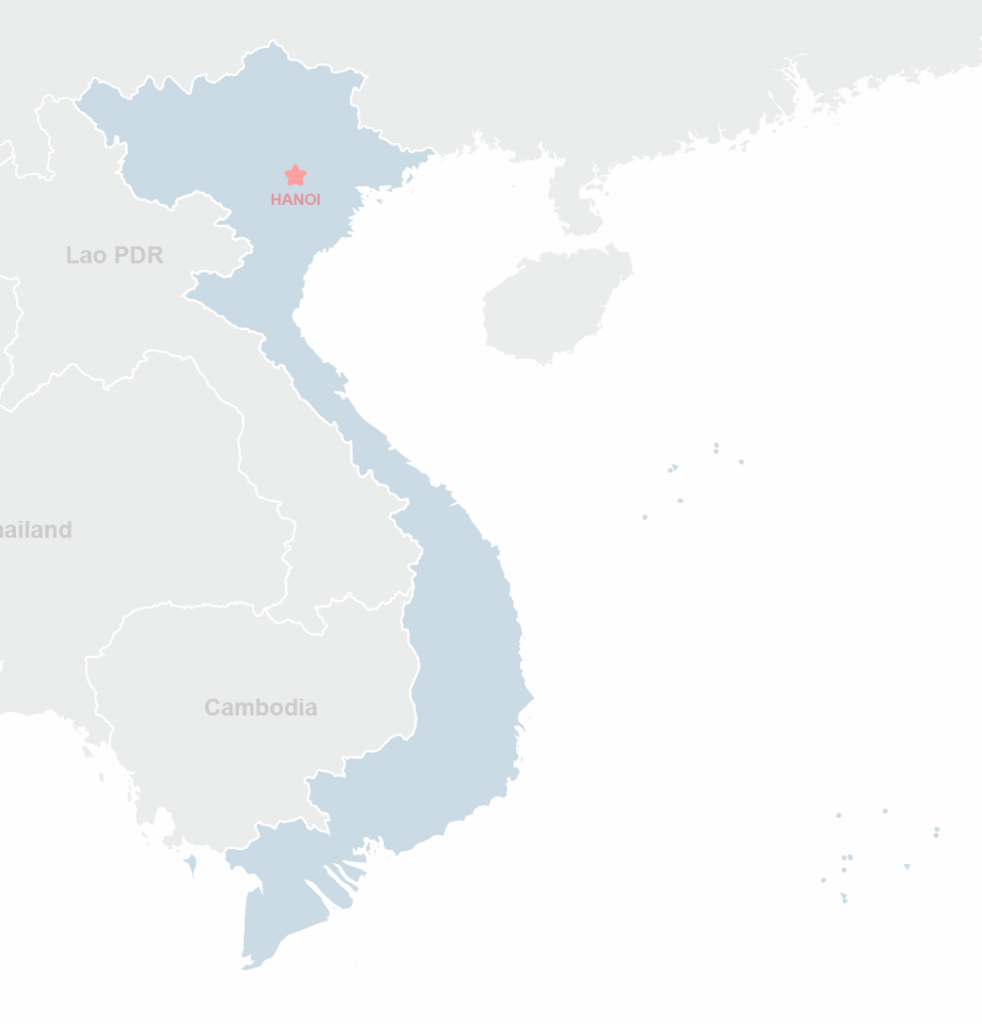
Vietnam is highly vulnerable to landslides, particularly in its mountainous northern regions, where geological instability, intense rainfall, and increasing climate variability converge to create significant risks for communities and livelihoods. Despite existing efforts in disaster risk management, the country currently lacks a consolidated, integrated system to effectively monitor, assess, and respond to landslide hazards.
A Landslide Risk Information System (LRIS) is needed to consolidate geological, hydrological, and meteorological data; integrate advanced methods such as radar remote sensing, geospatial analysis, and real-time monitoring; and support proactive disaster risk reduction, response planning, and climate adaptation strategies. Such a system would also enable community-oriented early warning approaches, strengthening local resilience to one of Vietnam’s most recurring natural hazards.
GIZ commissioned ICEM, in partnership with the University of Twente’s Faculty of Geo-Information Science and Earth Observation, to conduct a comprehensive scoping study to assess the feasibility of establishing an LRIS in Vietnam, map existing data and tools, and propose a framework for its development.
Objectives
The scoping study aimed to:
- Assess the feasibility of establishing a national Landslide Risk Information System (LRIS) in Vietnam by evaluating existing data, tools, systems, and methodologies for landslide risk management.
- Propose a comprehensive LRIS framework, including technical specifications, institutional arrangements, and capacity-building requirements needed for its development and long-term operation.
- Develop a phased implementation roadmap with cost estimates and financing strategies, ensuring the system is scalable, sustainable, and aligned with Vietnam’s broader disaster risk reduction goals.