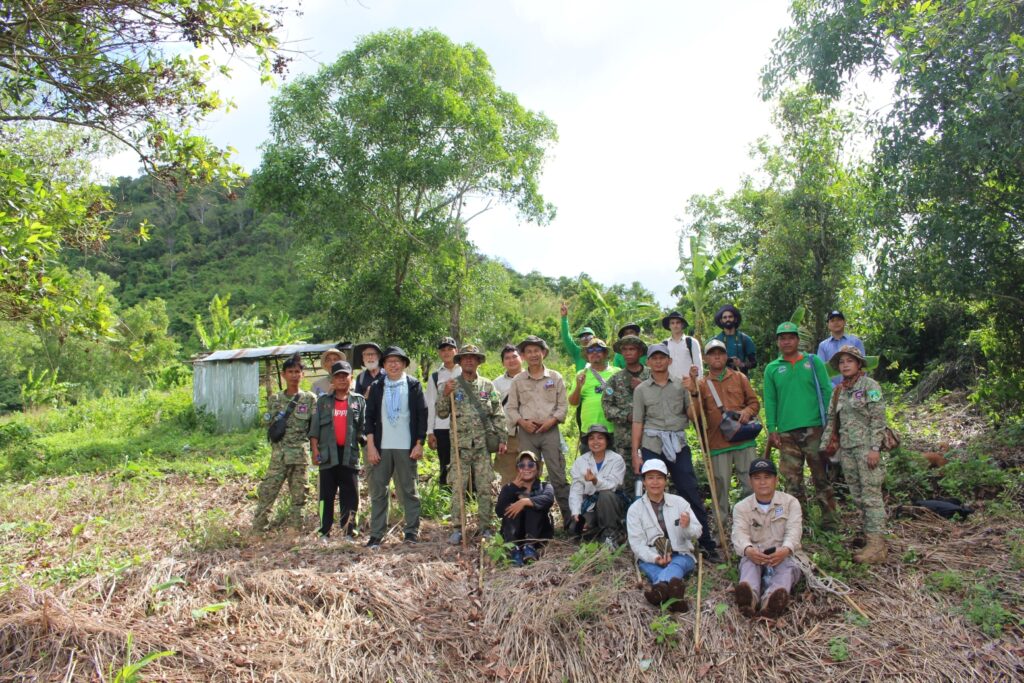
A recent field mission to Phum Kandal Community Forestry in Cambodia took the Mekong PAD III team through dense semi- and evergreen forest, up steep slopes reaching 500 metres, in heavy rain. A short video from the mission, available here, captures the terrain and conditions the team worked in. It also illustrates why this forest matters.
A Community Forest Under Pressure
Phum Kandal Community Forestry is a relatively small but ecologically significant pocket of dense forest in Cambodia. It provides habitat for vulnerable primates, including the Pig-tailed macaque, a species facing sustained pressure from habitat loss across Southeast Asia. Beyond its biodiversity value, the forest is a direct resource for the 250 families who depend on it: freshwater, microclimate regulation, traditional medicines, and non-timber forest products (NTFPs) that form part of their household livelihoods.
Community forestry in Cambodia operates under a framework that formally recognises communities as managers of designated forest areas. In practice, this means the 250 families of Phum Kandal have both the rights and the responsibility to manage the forest sustainably. The Mekong PAD III Program is working to support them in doing that more effectively.
The Mekong PAD III Program in Cambodia
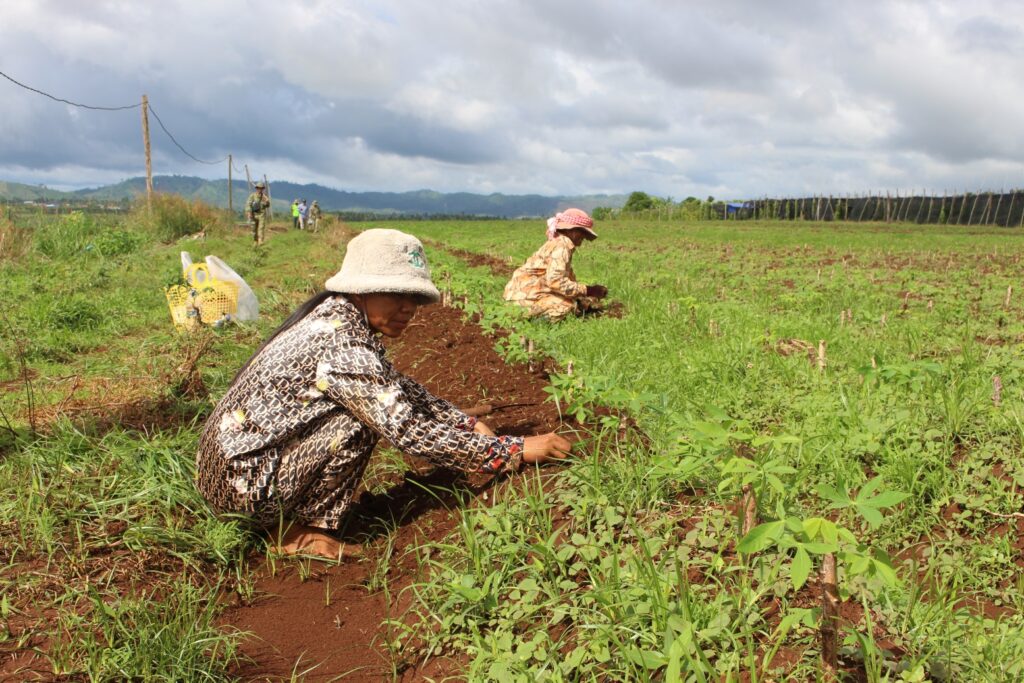
The mission was carried out under the Cambodian component of the Mekong PAD III Program, funded by the Australian Government through the Mekong-Australia Partnership (MAP) and implemented by ICEM and MJP in partnership with Cambodia’s Ministry of Environment, the Provincial Department of Agriculture, Forestry and Fisheries, and Provincial Administrations.
The program’s work at Phum Kandal focuses on several interconnected objectives: forest restoration, improved forest connectivity with surrounding landscapes, climate resilience, and the rehabilitation of water drainage systems. These are all components of the same underlying goal: a functioning forest that continues to deliver ecological and livelihood benefits over the long term.
Why Connectivity Matters
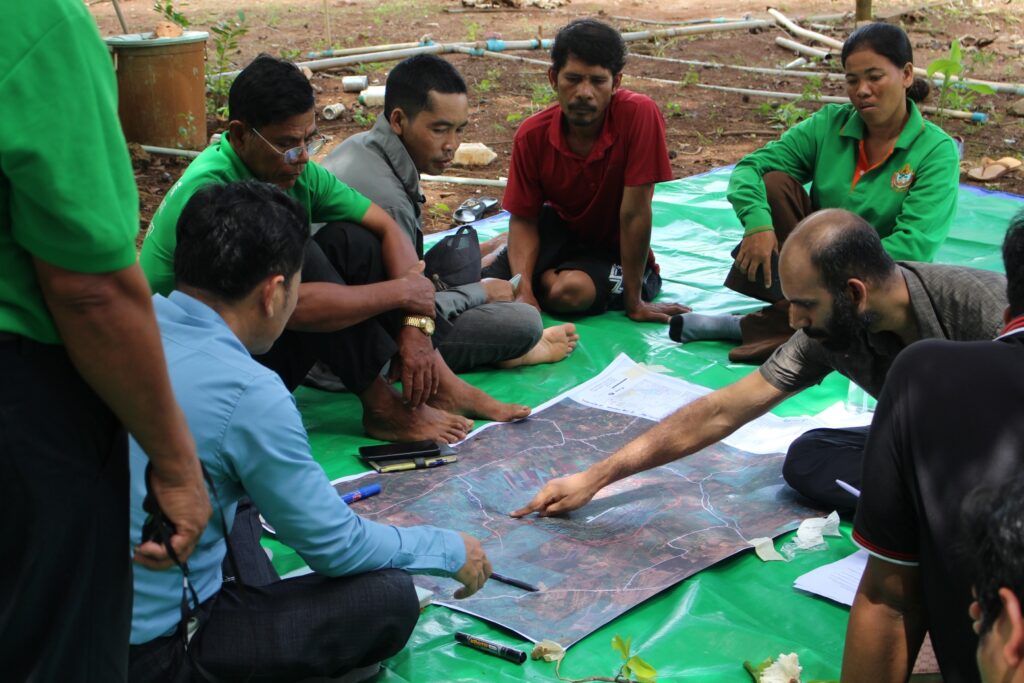
Isolated forest patches face risks that well-connected ones do not. Species that require large territories, including vulnerable primates, such as the Pig-tailed macaque, cannot survive in fragments that are too small or too isolated from other habitats. Connectivity also matters for the forest’s resilience: connected forests recover more readily from disturbance, whether from drought, fire, or land clearing at the margins.
Restoration and connectivity work at Phum Kandal is therefore more about maintaining the ecological relationships that allow a forest to function, and ensuring the community retains access to the ecosystem services that depend on those relationships being intact.
Forest, Water, and Climate
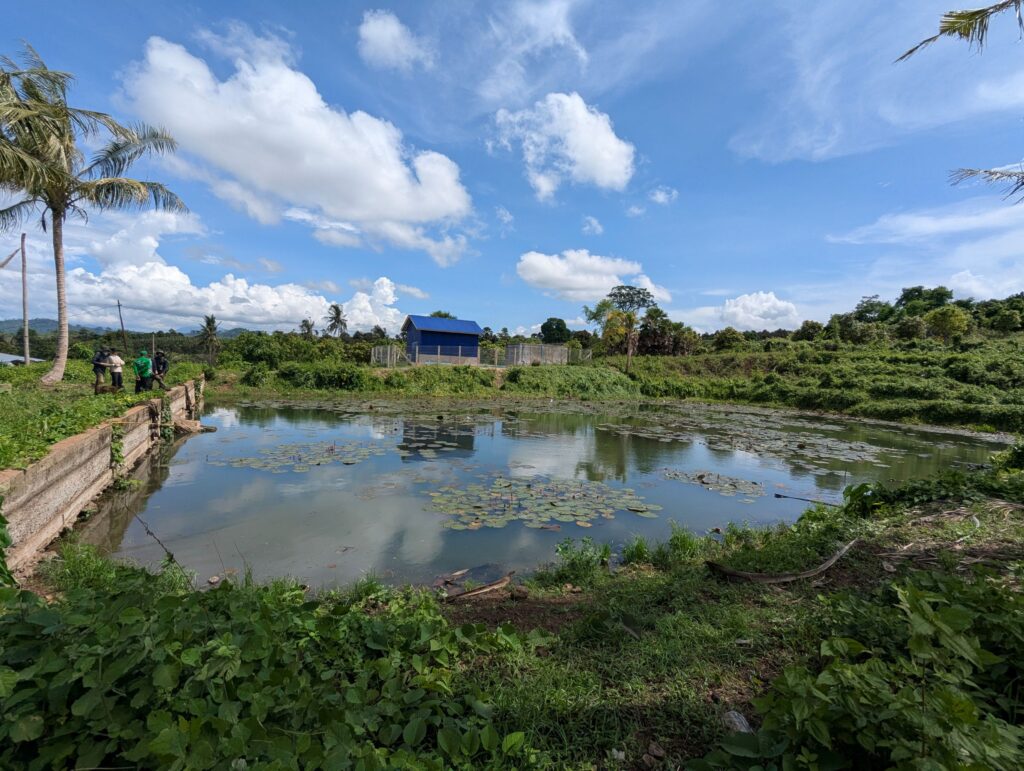
Among the ecosystem services Phum Kandal provides, freshwater security is particularly significant. The forest’s canopy and root systems regulate water flow, reduce runoff, and help maintain dry-season water availability for communities downstream. As rainfall patterns become less predictable across the Mekong region, this role becomes more important.
The program’s focus on water drainage systems reflects this. Damaged or degraded drainage infrastructure within the forest affects both the forest’s health and the reliability of water supply to surrounding communities. Addressing this is a practical, near-term priority alongside the longer-horizon work of restoration and connectivity.
Next Steps
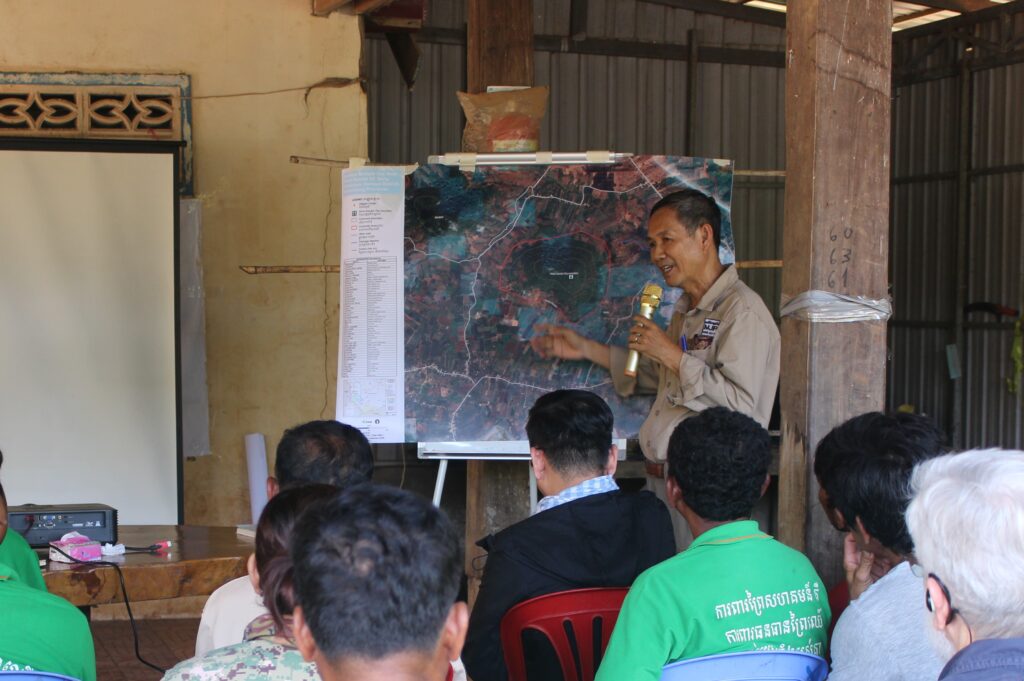
The findings and observations gathered during the mission will feed into the program’s planning for restoration, connectivity improvements, and community livelihood support at Phum Kandal.
The 250 families who depend on this forest are the constant in that work. Their continued involvement in managing the community forestry area is the condition on which everything else depends. Programs like Mekong PAD III can provide technical support, funding, and partnerships with government agencies, but the long-term trajectory of Phum Kandal will be shaped by whether those families have the resources and recognition to manage it well.
Together, we are bringing nature back.