Biodiversity Planning in Asia

Project Description

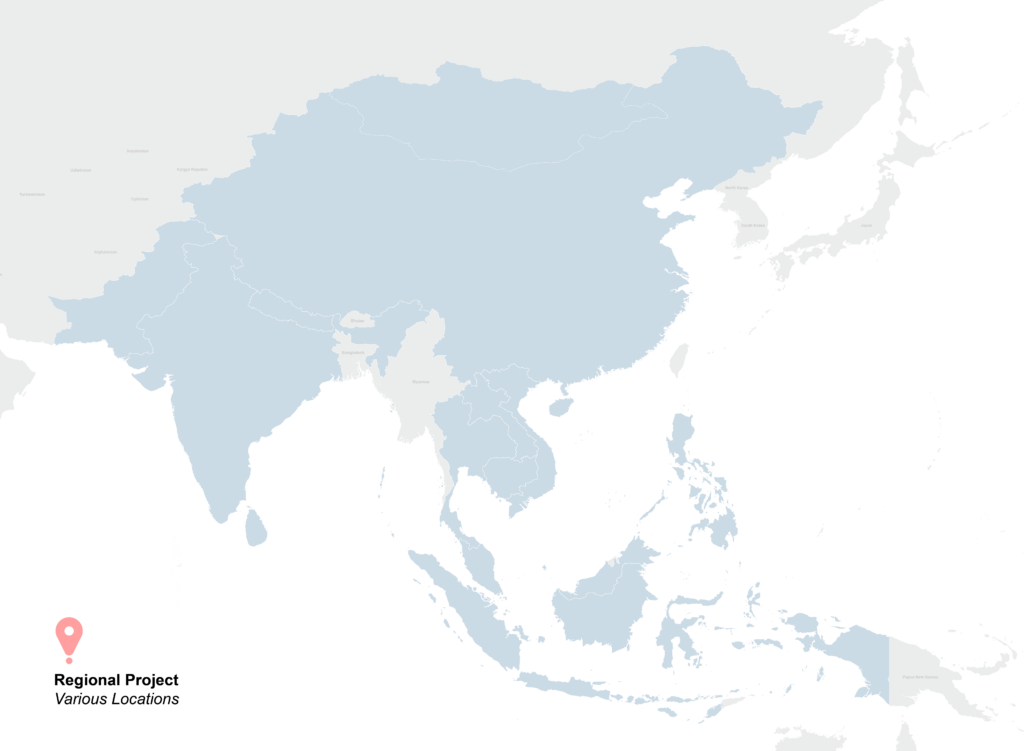
ICEM provided technical support and facilitation for an IUCN-initiated regional review of national biodiversity strategy and action planning across 17 Asian countries. Funded by the governments of Norway, Switzerland, the United Kingdom, and Germany, this two-year project engaged over 30 leading conservation managers and policymakers from across the region. The review process was structured around a series of sub-regional consultations and drafting sessions, aimed at assessing each country’s progress in developing and implementing their National Biodiversity Strategy and Action Plan (NBSAP).

Objectives, Activities and Results

The main objective was to evaluate the effectiveness of NBSAPs in addressing biodiversity loss and to strengthen future planning efforts. Country-level assessments examined the extent to which goals were being met, identifying key barriers to success, institutional strengths and weaknesses, notable achievements, and areas for improvement. The participatory review process created a platform for knowledge exchange and mutual learning, generating a clearer picture of the challenges and opportunities for enhancing biodiversity conservation through national planning processes across Asia.

client:
IUCN,UNDP,United Nations
LOCATION:
Cambodia,China,India,Indonesia,Lao PDR,Malaysia,Mongolia,Nepal,Pakistan,Philippines,Singapore,Sri Lanka,Thailand,Vietnam
TIME:
January 2000
to November 2001

TAGS

Biodiversity, Project description
Cambodia, China, India, Indonesia, Lao PDR, Malaysia, Mongolia, Nepal, Pakistan, Philippines, Singapore, Sri Lanka, Thailand, Vietnam
Completed Project

Publications

The national biodiversity strategy and action plans of 15 Asian countries are reviewed in this book, produced as part of an ICEM project with IUCN. The natural systems of South and South East Asia are in accelerating decline. Evidence from the 15 countries of the region covered in this book shows that all forms of biodiversity — ecosystems, species and genetic resources — are being lost at unprecedented rates. Rates of degradation in land, fresh water and marine habitats are a reflection of species loss. Asia will lose more than half of its remaining land and water habitats over the next century (a third over the next few decades), leading to impoverished and unstable natural, social and economic systems. The book raises awareness of biodiversity status and the policy options for biodiversity management.

Click the title to view the document,

Citation: Jeremy Carew-Reid, Editor. (2002). Biodiversity Planning in Asia. IUCN, Gland, Switzerland and Cambridge, UK. 594 + vi pp. ISBN 2-8317-0643-2

Part One: The Status of Biodiversity in Asia Part Two: Southeast Asia Part Three: Northeast Asia Part Four: South Asia Part Five: Approach Papers

RECENT PROJECTS