A week of high-level consultations in Phnom Penh has opened the second phase of an Australian-funded program to help Mekong cities use nature to manage flooding, heat and water insecurity.
As Phnom Penh grows, many of the lakes and wetlands that once absorbed its monsoon rains are disappearing. Streets flood more often, neighbourhoods grow hotter, and water becomes less reliable for the households that can least afford it. The second phase of the Resilient Urban Centres and Surrounds program (RUCaS2) is designed to help Cambodian partners respond by bringing nature back into the way cities are planned and built.
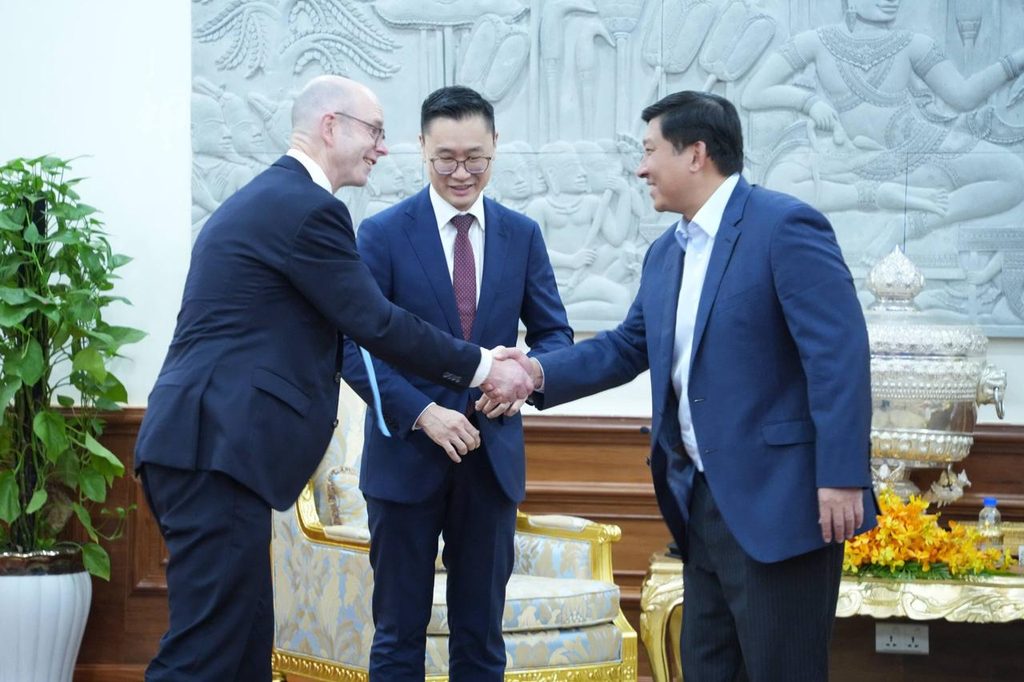
From 14 to 18 September, an inception mission took the program to the ministries whose partnership it will rely on. Led by Ben Furmage, CEO of Water Sensitive Cities Australia at Monash University, and joined by H.E. Derek Yip, Australian Ambassador to Cambodia, and Ms Sarah Law, Second Secretary, the delegation held separate discussions with the ministries of Land Management, Urban Planning and Construction; Public Works and Transport; Environment; Economy and Finance; Industry, Science, Technology and Innovation; and Social Affairs, Veterans and Youth Rehabilitation.
The response was consistent across all six. Each ministry welcomed Phase 2 and expressed its readiness to work closely with the program to protect communities from flooding, severe heat stress and water insecurity.
H.E. Dr Say Samal, Deputy Prime Minister and Minister of Land Management, Urban Planning and Construction, put the case plainly: “Nature-based Solutions are the right approach for urban planning and integration in Cambodia. Nature is the mother of all life; losing our natural lakes and wetlands in cities incurs a significant cost to keep urban areas vibrant, livable, and sustainable.”
From proof to practice
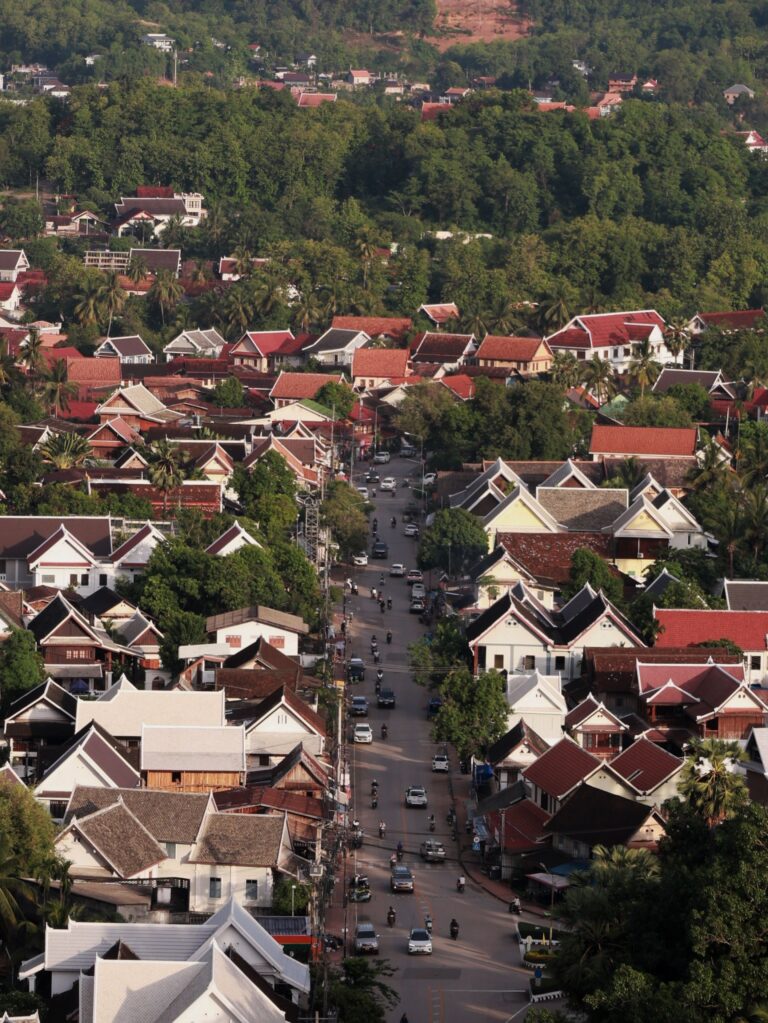
Where the first phase of RUCaS established the value of nature-based solutions, RUCaS2 turns that evidence into practice. Funded by Australia’s Department of Foreign Affairs and Trade and running until 2029, the program works with partners in Cambodia, Lao PDR, Thailand and Viet Nam to deliver locally led demonstrations of hybrid nature-based solutions, which combine natural features such as wetlands and green space with engineered infrastructure. It will also provide the guidance, tools and evidence that national and local authorities need to adopt these approaches more widely. Gender equality, disability and social inclusion are built in from the outset, so that marginalised groups help shape the solutions and share in their benefits.
“The feedback from partners this week has been overwhelmingly positive, and there is strong consensus that healthy ecosystems can protect communities, optimise infrastructure and safeguard vital natural resources and biodiversity,” said Teak Seng, ICEM’s Cambodia Country Representative. “Our priority now is to build a robust foundation of evidence. By implementing nature-based solutions across our selected demonstration sites, we aim to generate concrete data that proves their climate impact, social inclusion benefits and cost-effectiveness in practice.”
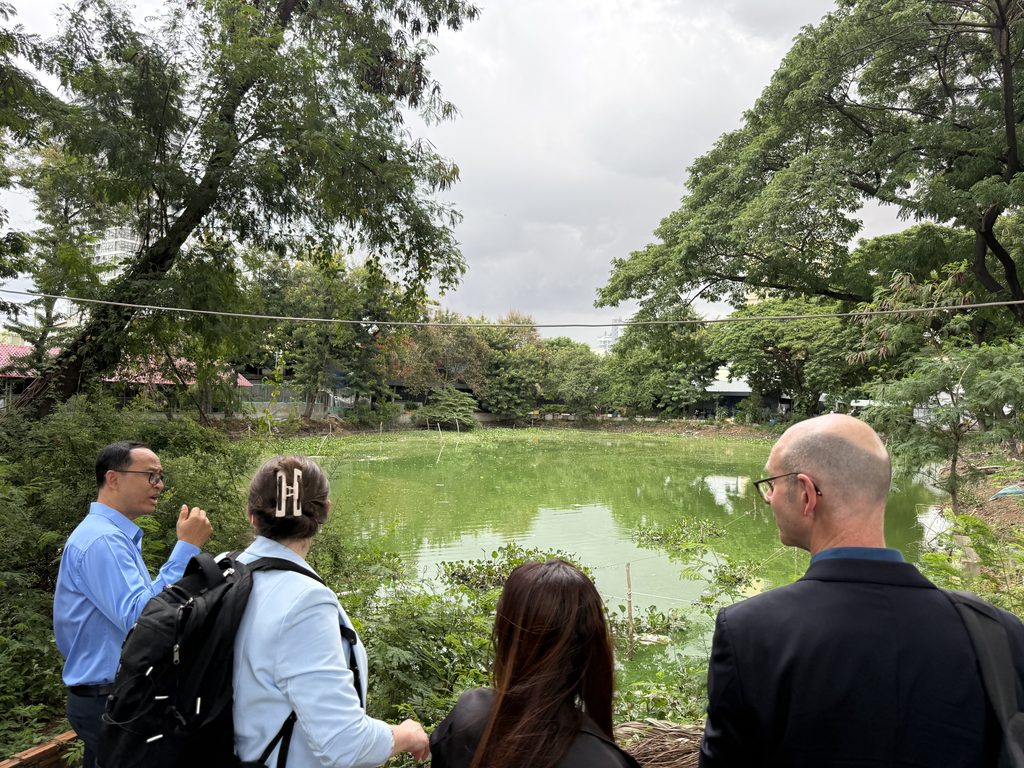
Beyond government, the team met civil-society and development partners including Gender and Development for Cambodia, GRET, CAPRED, ACP4Climate and Build4People, and discussed research collaboration with the Royal University of Phnom Penh, including the prospect of an NbS hub. Site visits across the city, from community and university land to a private residential development, helped the team assess where the program’s first small-scale demonstrations might be located.
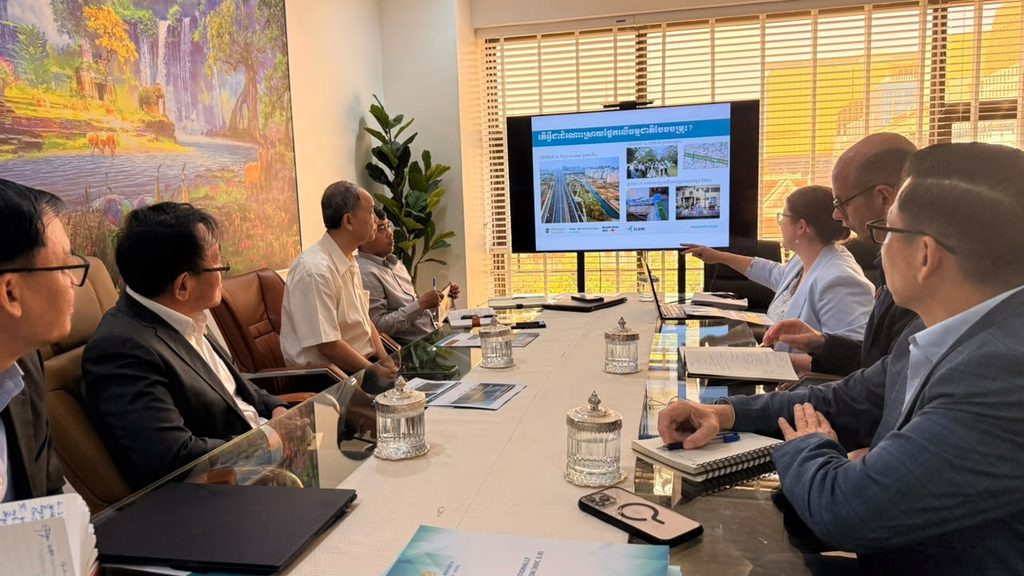
The mission will now inform a refined three-year implementation plan for Cambodia, confirming partnerships, priorities and pilot sites, with further consultations with disability and inclusion partners to follow online from late September.
RUCaS2 is funded by the Australian Government and implemented in Cambodia by Water Sensitive Cities Australia at Monash University, in partnership with ICEM.