REDD+ in Nepal: An Environmental and Social Management Framework

Project Description
Nepal’s forests are under growing pressure from land conversion for agriculture, resettlement, and infrastructure development, leading to deforestation and forest degradation. These activities significantly contribute to greenhouse gas emissions through biomass combustion and soil carbon loss. In line with global efforts to address climate change, the Government of Nepal initiated the REDD+ (Reducing Emissions from Deforestation and Forest Degradation) strategy. To support this, the Ministry of Forest and Soil Conservation (MFSC), through its REDD Forestry and Climate Change Cell, commissioned a Strategic Environmental and Social Assessment (SESA) and an accompanying Environmental and Social Management Framework (ESMF) to guide REDD+ implementation.

Objectives, Activities and Results
The primary objective of the SESA and ESMF was to identify environmental and socio-economic risks and opportunities associated with REDD+ activities in Nepal. The assessment aimed to ensure that REDD+ implementation would not only minimize potential negative impacts but also enhance development outcomes and environmental resilience. Activities included a comprehensive evaluation of REDD+ impacts, stakeholder consultations, and integration of climate adaptation and forest governance considerations. The resulting framework established clear guidelines for managing environmental and social risks, informed policy design, and supported the sustainable rollout of REDD+ strategies at the national level.

client:
World Bank
LOCATION:
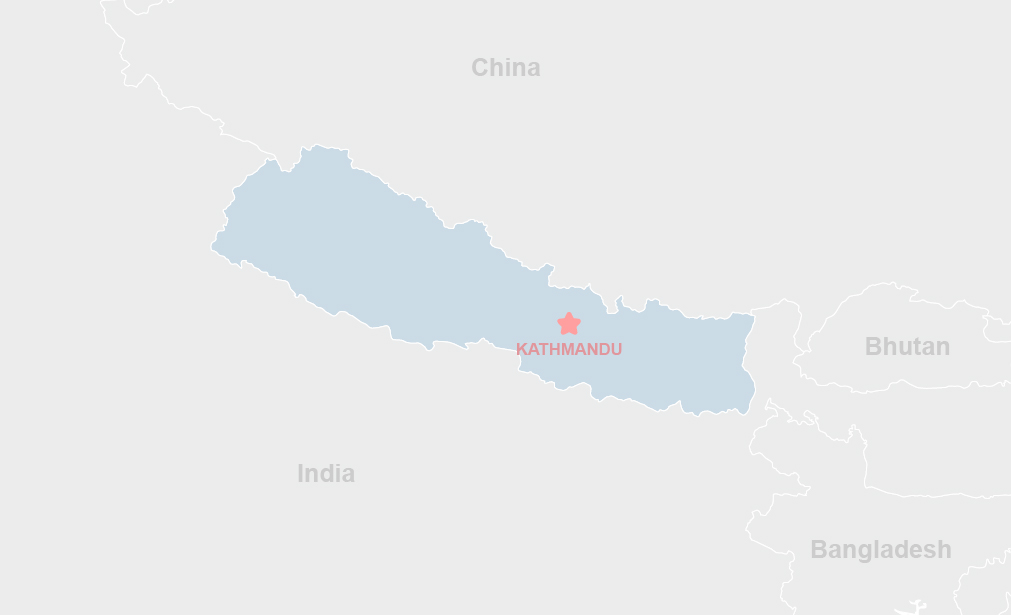
Nepal
TIME:

TAGS

Biodiversity, Climate Change, Environmental Economics, Project description, Water
Nepal
Completed Project

Publications

Click the title to read the report: Prepared by ICEM, International Institute for Environment and Development (IIED), and School of Environmental Science and Management (SchEM), the SESA presents a brief history of forest management in Nepal, forest types, and key environmental issues. It also outlines the reality of climate change vulnerability and impacts in Nepal, and highlights some of the important linkages, issues and potential trade-offs when considering strategic options to achieve REDD+. Three key elements are addressed:
  • the main economic, social and environmental impacts of climate change, adaptation needs and strategies to enhance resilience;
  • the extent of land use change and forest-related activities as drivers of climate change or influencers of vulnerability, and the underlying causes of deforestation and forest degradation; and
  • vulnerability of forests to the effects of climate change, both directly (changing environmental conditions based on available modelling) and indirectly (human-induced pressures).
The report also details the relationship of forest-dependent communities and disadvantaged groups with the forests, their views and concerns, and social outcomes of REDD+ pilot projects. Nepal REDD – Strategic Environmental and Social Assessment 

RECENT PROJECTS