Project Description
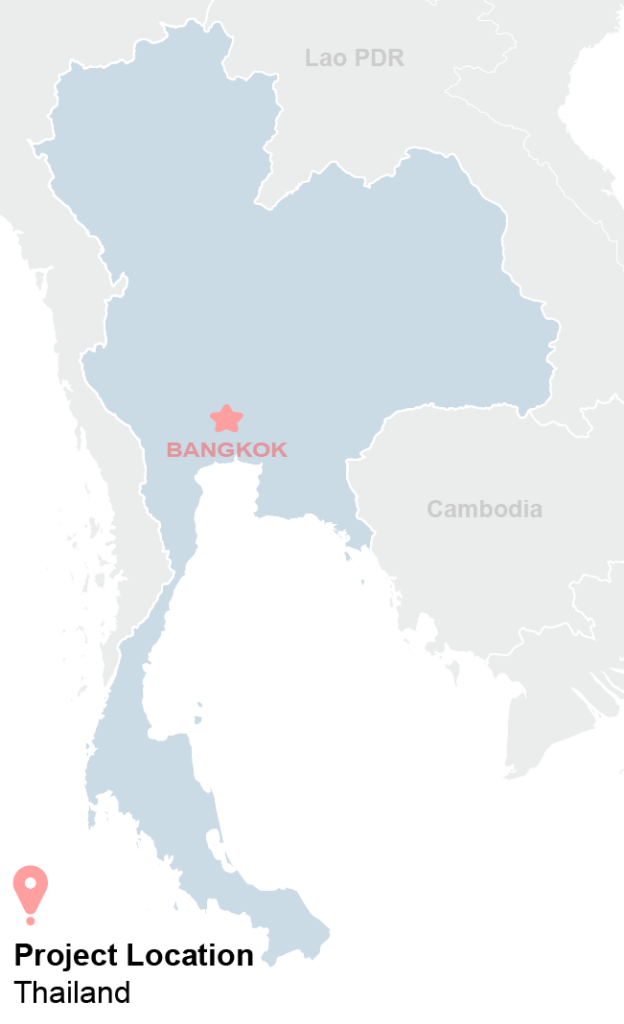
In response to Thailand’s devastating 2011 flood, which caused over USD 46 billion in damages and severely disrupted supply chains and livelihoods, this project aimed to strengthen the country’s water resource management systems. The flooding exposed major gaps in decision-making and coordination for managing water-related disasters. The technical assistance (TA) initiative, implemented at both the national and basin levels, sought to embed Integrated Water Resources Management (IWRM) principles into Thailand’s water, flood, and drought management strategies. It prioritized developing guidelines for coordinated planning and implementation and improving the resilience of communities and industries vulnerable to hydrological extremes.
Objectives, Activities and Results
The project focused on three primary objectives: improving national water governance by designing robust, IWRM-based planning and implementation guidelines; developing a monitoring and evaluation framework for water and flood management projects; and piloting participatory water management processes in the Yom River basin. ICEM supported the development of a basin model for the Yom River to assess cumulative impacts of different management options. The project also built local capacity by facilitating stakeholder engagement processes and ensuring community-driven planning. These efforts laid a foundation for more informed, inclusive, and sustainable water management decisions, aligning national water strategies with on-the-ground realities and future climate risks.