A basin under strain
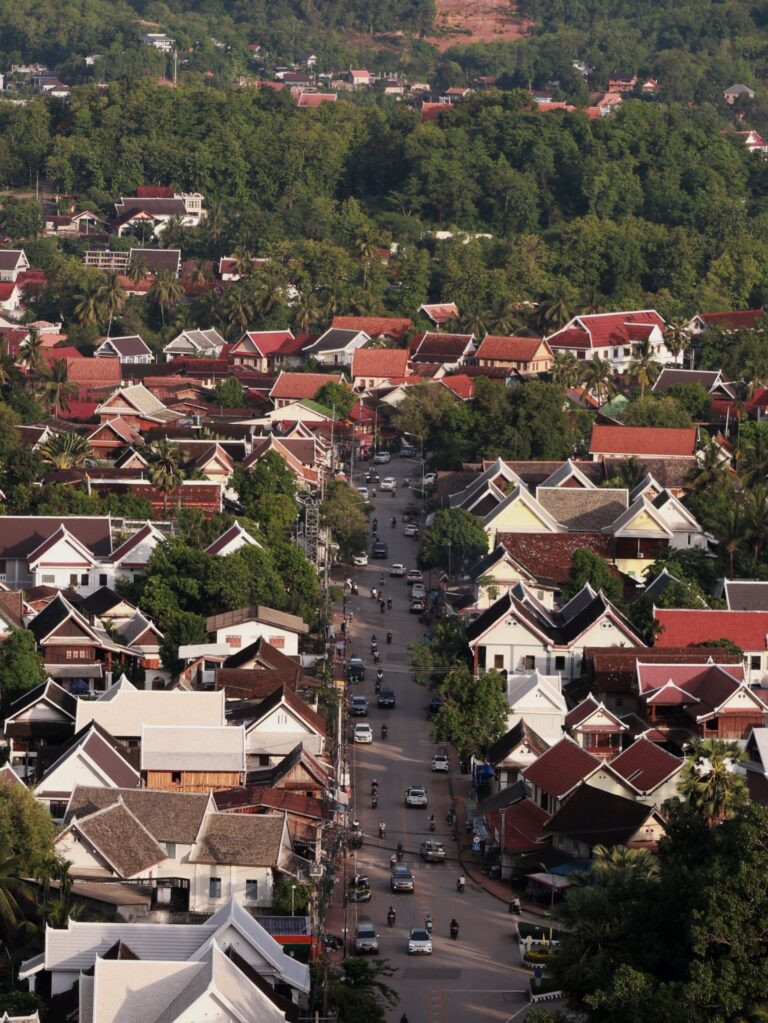
The Red River basin supports more than 33.5 million people (based on the 2020 census), yet the natural systems that sustain them are in decline. The basin covers 169,020 km², with more than half in Viet Nam, and carries an average annual flow of 127.33 billion m³, 38 percent of which originates outside the country, largely in China. Even under optimal allocation, modelling indicates an annual water shortfall of 777 million m³, concentrated in the October–April dry season and peaking in February and March, when irrigation demand for the spring crop is highest.
An estimated 4.4 million hectares of land across the northern midlands and mountains are degraded, including 1.8 million hectares of forest. Between 2001 and 2021, the basin lost more than 320,000 hectares of forest to encroachment and slash-and-burn agriculture. Erosion and sedimentation are reducing the flood-buffering capacity of Ramsar-listed wetlands, including Ba Bể and Vân Long.
A shift in approach
Past responses have relied heavily on grey infrastructure, which manages the symptoms of water insecurity without addressing the ecosystem degradation that underlies it. The project, part of the GEF-8 Ecosystem Restoration Integrated Program, pairs integrated water resources management with ecosystem restoration and community-based incentives, including payments for ecosystem services, to make restoring forests, wetlands and floodplains a viable livelihood choice for the people who look after them.
At the centre of this approach are nature-based solutions such as watershed reforestation, riverbank stabilisation and wetland restoration. Because healthy forests hold soil and slow runoff, and intact wetlands absorb floodwater and release it gradually, these measures address the causes of water insecurity, and their benefits tend to grow as ecosystems recover.
“The basin is facing multiple challenges, including water pollution, deforestation and ecosystem degradation, increasing disaster risks, and the absence of integrated, cross-sectoral and inter-regional management mechanisms.” – Châu Trần Vĩnh, Director General, Department of Water Resources Management, Ministry of Agriculture and Environment, speaking at the project inception workshop in May 2026 (DWRM, 2026) .
In the field
In September 2026, a joint scouting team from the GEF Secretariat, FAO Viet Nam, DWRM and ICEM travelled to Ba Bể National Park in Thái Nguyên province.
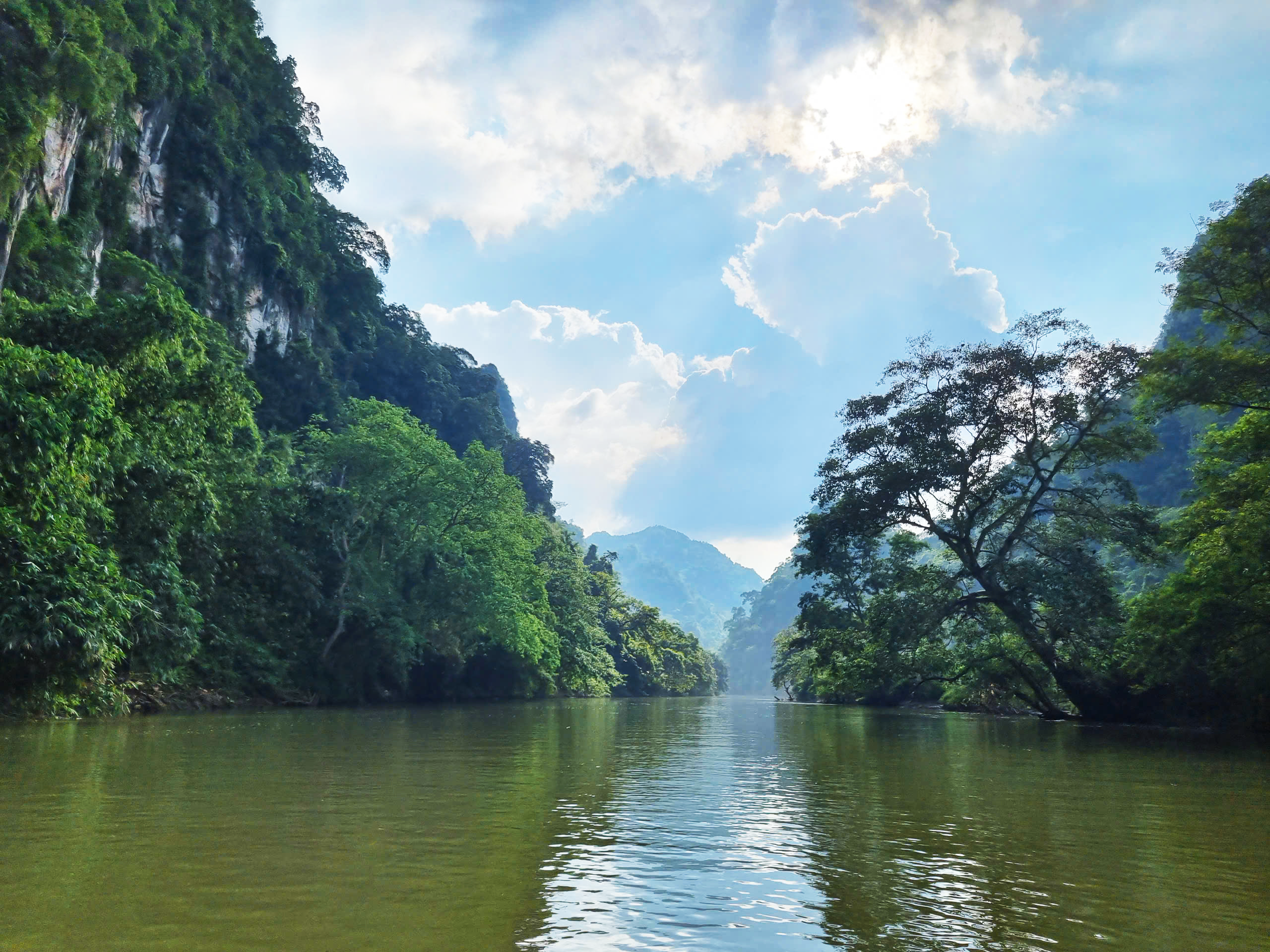
The team met officials from Ba Bể commune and the Ba Bể National Park Management Board, together with representatives of Nặm Mẫu village, to learn about livelihood models that work with nature. Participants shared experiences with ecotourism, subsistence fishing on Ba Bể Lake and community forest management. Tourism and forest protection contracts are important sources of household income, while the small-scale homestay sector would benefit from stronger operator capacity, closer coordination among homestays on nature-based practices, and a commune-level tourism plan. The community forest sites, dominated by Burretiodendron hsienmu, showed a well-developed canopy and strong natural regeneration, offering a promising example of effective forest management.
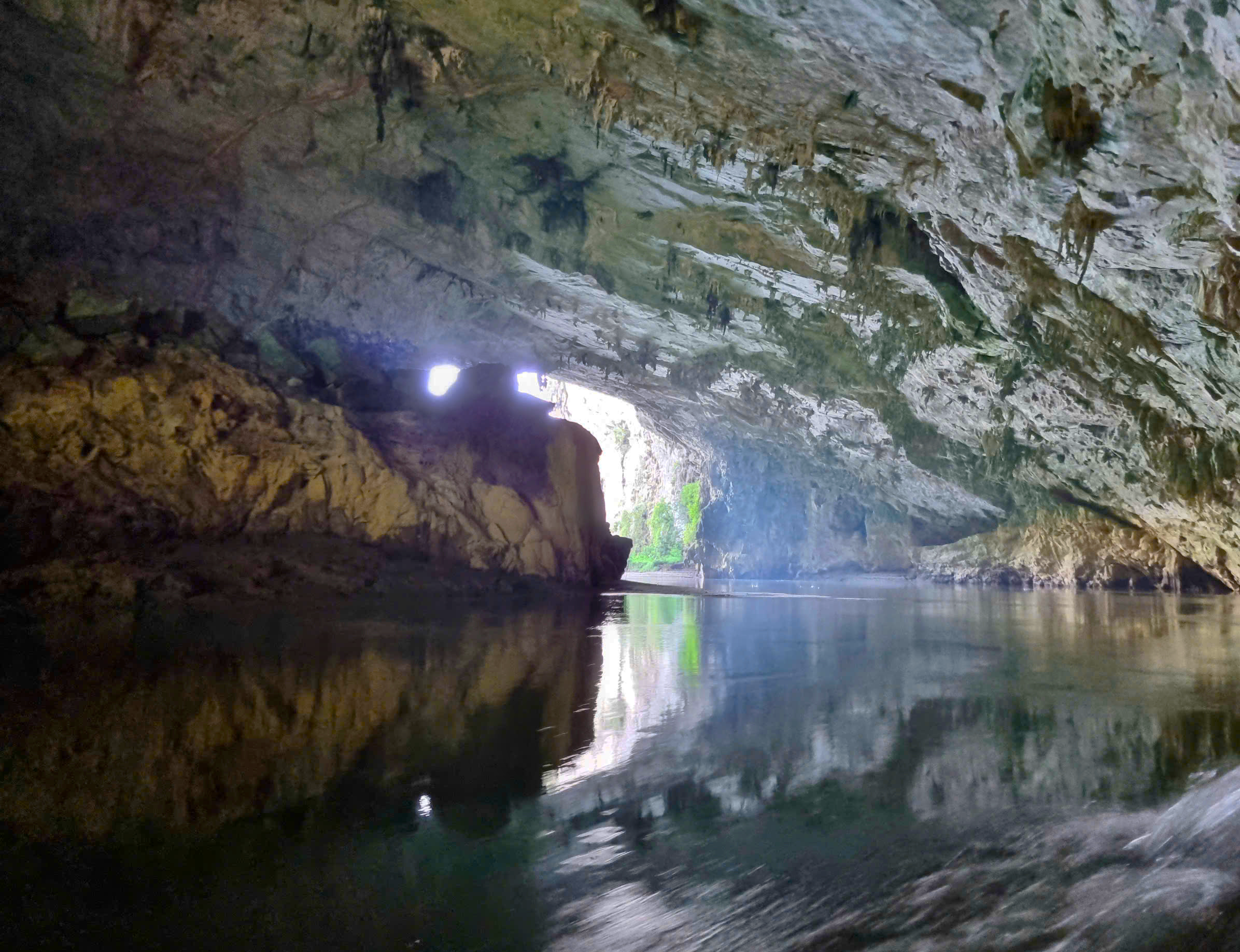
Ba Bể Lake, a Ramsar site since 2011, drains north into the Năng River, which passes through Puông Cave before reaching the Gâm River, a tributary of the Lô River and part of one of the potential sub-basins where the project will pilot its restoration work.
Looking ahead
Over five years, the project aims to restore 200,000 hectares of degraded ecosystems and improve management across 700,000 hectares of landscapes, delivering direct benefits to around 40,000 people. ICEM, as co-executing agency alongside DWRM and under FAO’s oversight as GEF Implementing Agency, will contribute expertise in biodiversity, ecosystem and landscape restoration, hydrology and water governance. The work spans four components: a basin diagnostic assessment and a decision-support system; incentive mechanisms co-designed with communities, including ethnic minorities, women, youth and the private sector, and piloted in priority sub-basins identified through basin wide-assessments; capacity building and a strategy for scaling successful approaches; and monitoring of restoration outcomes.