Project Context
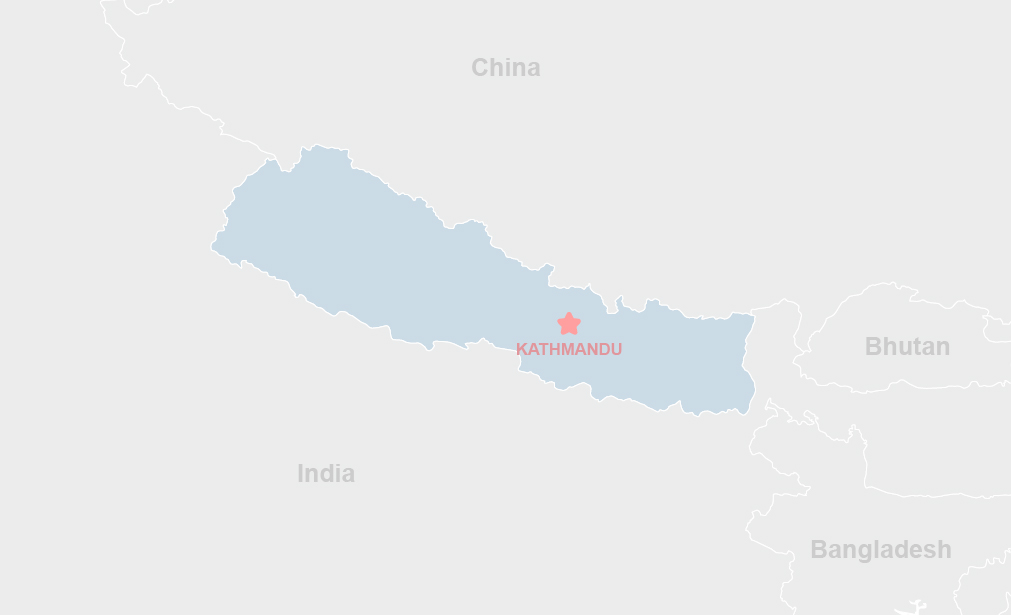
Nepal’s Terai lowlands face recurring and intensifying flood risks driven largely by environmental degradation in the upstream Chure region, a fragile hill range that feeds two major river basins in the country’s southern plains. While flood protection efforts have historically focused on site-specific infrastructure, this approach fails to address the upstream drivers of the problem. Meanwhile, women and youth in flood-affected communities, despite being among the most vulnerable, remain underrepresented in watershed governance and climate adaptation planning.
This project, implemented under the IUCN Global EbA Fund, seeks to change that by mainstreaming gender-responsive nature-based solutions (NbS) and ecosystem-based adaptation (EbA) – including biodiversity conservation, wetland restoration, forest restoration, erosion control, riverbank stabilisation, fish habitat rehabilitation and traditional water source restoration – into the development of Local Adaptation Plan of Action, and applying these approaches in the Mohana-Khutiya River Basin. ICEM is contributing technical expertise alongside the Nepal Development Research Institute (NDRI) as lead organization and the Asian Institute of Technology.
Objectives
The project aims to:
- Build an evidence base for gender-responsive EbA interventions by capturing lessons and success stories from Nepal and other countries, and identifying gaps in replicating and scaling these approaches for flood risk reduction in downstream flood-affected areas.
- Develop and apply gender-responsive watershed restoration plans in the pilot basin, integrating EbA approaches into local adaptation and disaster risk reduction policies at national, provincial, and local levels.
- Strengthen the capacity of government, communities, and stakeholders to adopt EbA approaches and facilitate cross-country learning and knowledge sharing on EbA measures across Nepal and the wider region.