Overview
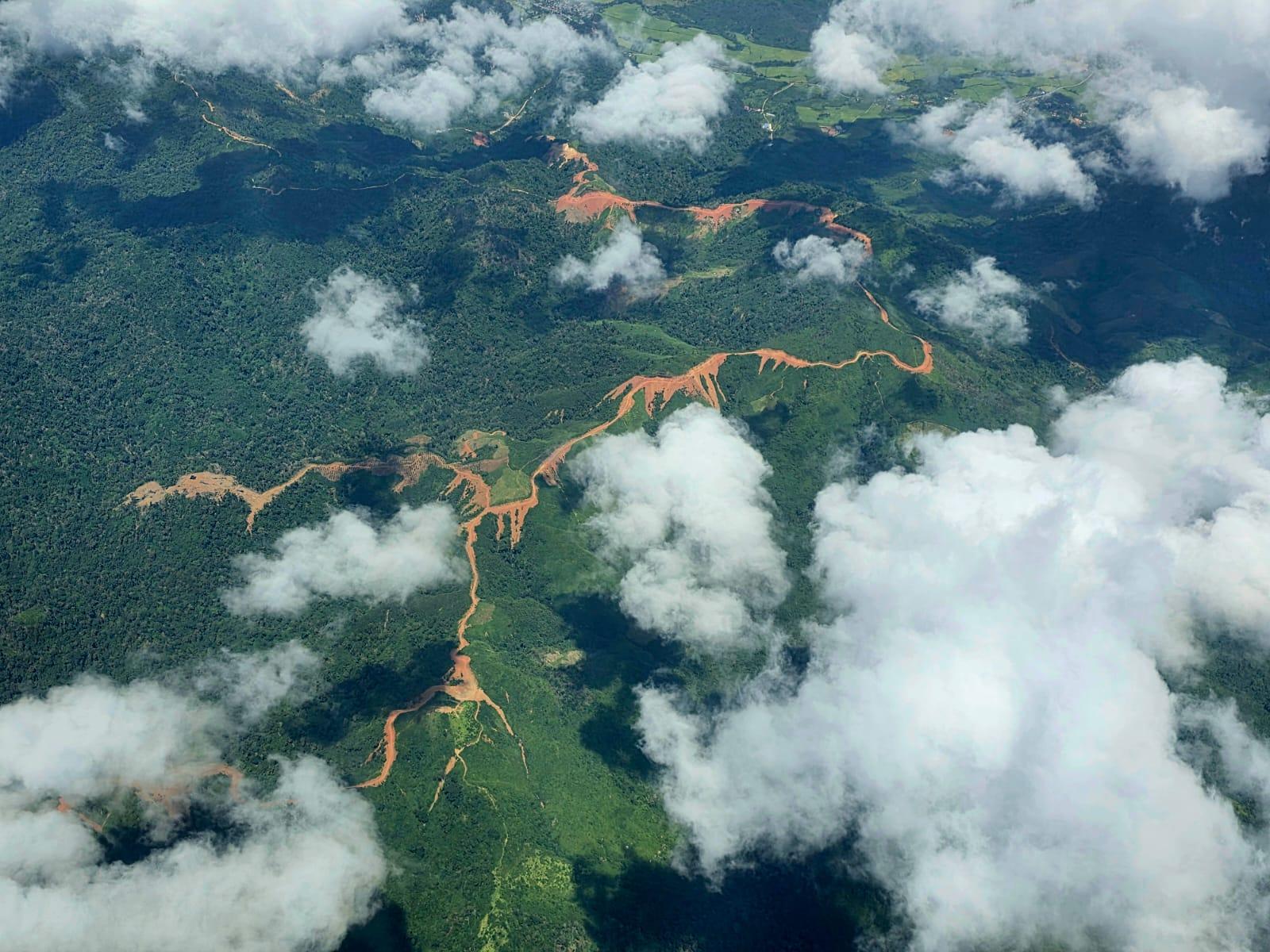
In the mountains of northern Lao PDR, one storm can wash out a village road. A dry spell can empty an irrigation canal. A landslide can cut a school off from the families it serves. As the climate changes, these events are becoming more frequent and more severe.
The Community Livelihood Enhancement and Resilience (CLEAR) project has been helping vulnerable communities respond. Led by the Government of Lao PDR under the Ministry of Agriculture and Environment and financed by the World Bank, CLEAR supports 450 villages across seven provinces to improve livelihoods, food security, and nutrition through community-led development. With a contribution from the Swiss Agency for Development and Cooperation (SDC), CLEAR is building on the climate-resilient infrastructure it has already delivered, adding a landscape-scale approach that works with nature, not against it.
From July 2026 to June 2028, ICEM is providing External Technical Assistance on Climate-Resilient and Ecosystem-Based Infrastructure for this effort in targeted village clusters in Oudomxay, Phongsaly and Xiengkhouang provinces.
Thinking beyond a single location
Taking a catchment approach, we look at the whole landscape that villages share: forests, streams, slopes, and farmland. Healthy ecosystems protect infrastructure and communities. Planted riverbanks resist erosion, and well-managed slopes are less likely to collapse. Combining engineering with nature makes infrastructure last longer and brings extra benefits for people and biodiversity.
What we are doing
- Mapping risks with communities: Villagers, local officials, CLEAR staff, and our specialists map hazards and natural resources together, so solutions start with local knowledge.
- Building three model sites: In each of three village clusters in Nhot Ou district in Phongsaly, Nga district in Oudomxay and Nong Hed district in Xiengkhouang, we help select, design and build a demonstration of nature-based protection, from the first idea through to handover.
- Strengthening skills: CLEAR staff, Climate Resilience Young Graduates, village implementation teams and local contractors learn by doing, so the know-how stays in Lao PDR after the project ends.
- Measuring and sharing what works. Simple tools will track how many people benefit and how many hectares of ecosystem are protected or restored. Guidelines, briefs and case studies will help other villages and programmes follow.
From the field
Between September and October 2026, ICEM’s team spent three weeks in Nong Hed, Nga and Nhot Ou districts, working with CLEAR staff, district officers and Village Implementation Teams (VITs). Communities in all three districts described similar pressures: landslides and the flooding and erosion of roads; land degradation where forest has given way to upland maize and sugarcane; and seasonal drought that leaves households short of domestic water. The participatory mapping sessions drew well beyond the VIT members, with at least ten other community members joining in most villages and more than 50 in some. Ban Houaithao in Nong Hed, Ban Thin in Nga and Ban Nakong in Nhot Ou were selected as priority sites for ICEM’s future model demonstration works.
Working together
None of this happens alone. We work side by side with CLEAR at national and district levels, with partners including the Department of Land Administration and Management (DLAM), the International Water Management Institute (IWMI), the Department of Agricultural Extension and Cooperatives (DAEC) and the National Agriculture and Forestry Research Institute (NAFRI), and above all with the village communities themselves.
We are grateful to SDC for its support, to the Government of Lao PDR and the Ministry of Agriculture and Environment, and to the CLEAR team in Lao PDR for their trust, knowledge and daily partnership. Without them, this work would not be possible.