Viet Nam’s first training facility for nature-based solutions and water-sensitive urban design opened in November 2025. Within a month the university had adopted it for exhibitions, competitions and alumni events, putting working examples of nature-based design in front of the architects and engineers who will shape Viet Nam’s cities.
In heavy rain, the courtyard at the centre of the C4 complex at Hanoi University of Civil Engineering (HUCE) used to flood to knee height. The buildings around it had stood largely unused for years.
“On days of heavy rain, the water could rise up to the knee or over the knee level,” says Tran Mai Kim Ngan, a student in the Faculty of Architecture and Planning.
In the first week of November 2025 the complex reopened as Viet Nam’s first training facility for nature-based solutions and water-sensitive urban design, with permeable paving, rain gardens and a rooftop rainwater harvesting system managing the water that once pooled there. International Centre for Environmental Management (ICEM), in association with Nippon Koei, provided technical assistance for the renovation of the HUCE’s C4 complex and its transformation into a Nature-based Solutions (NbS) training hub. The partnership led by ICEM developed the detailed engineering design and managed the procurement of the renovation works. ICEM also designed and delivered a three-day workshop that opened the hub to 60 students, planners and experts.
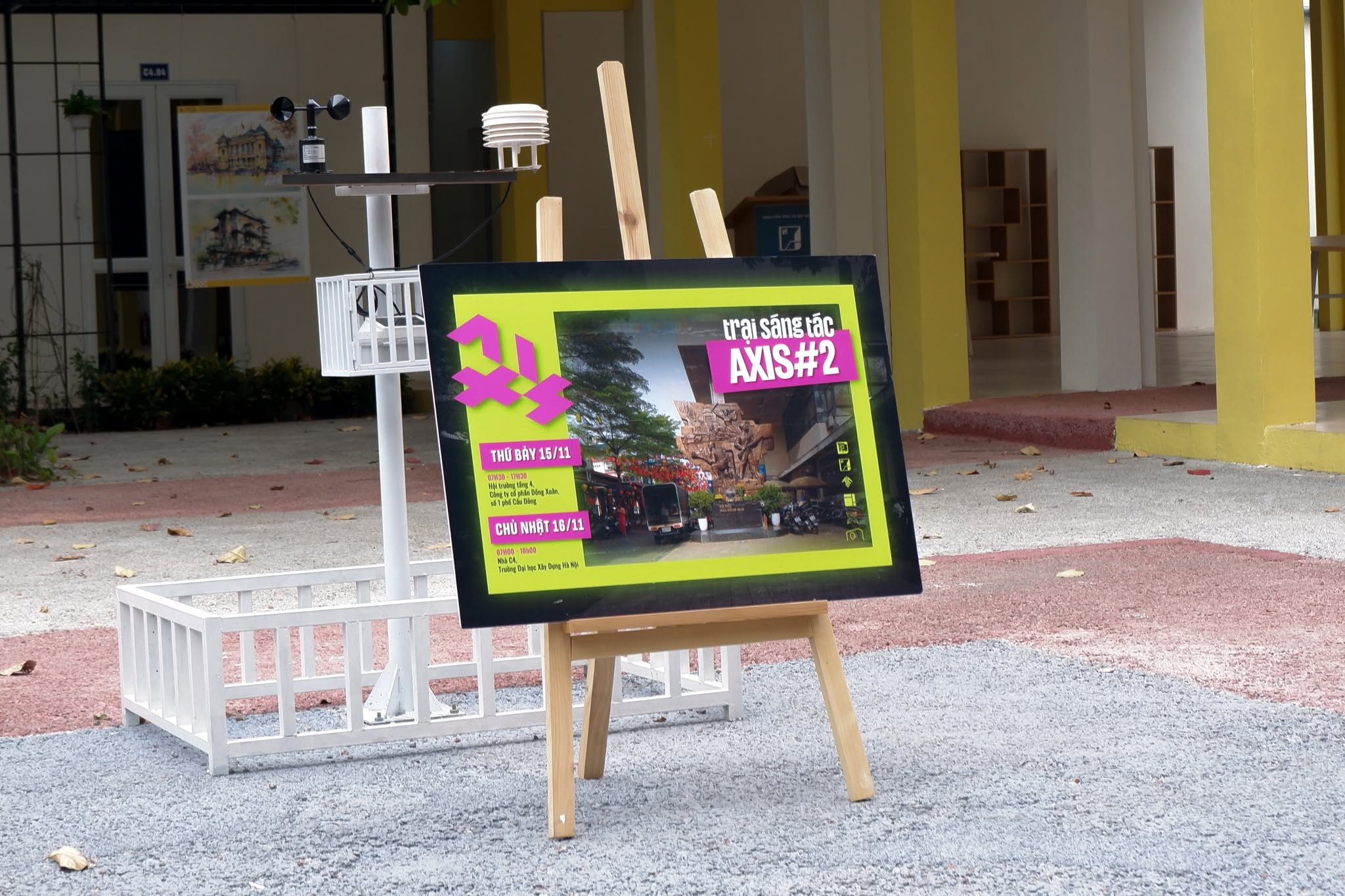
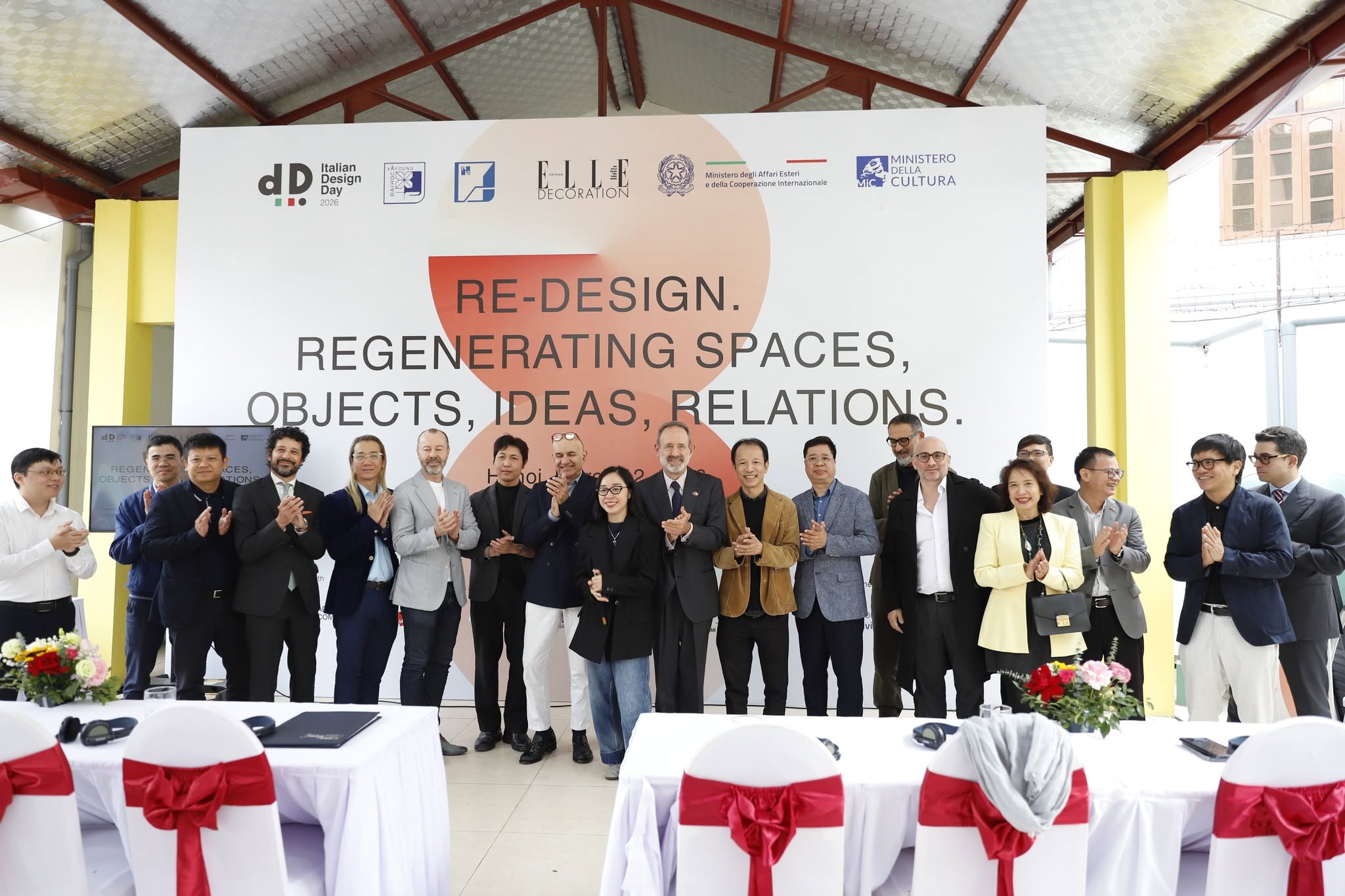
Before that month was out, the same space had hosted a photography exhibition, the launch of the Faculty of Architecture and Planning’s alumni committee, and a 24-hour student competition to design a memorial area for Dong Xuan market. By October 2026, the hub had hosted eight events, including the technical training it was built for, and became an integral part of the University’s teaching and training activities, with its facilities and resources incorporated into the curriculum.
The hub was developed under the Asian Development Bank’s Secondary Green Cities Development project, with funding from the Global Environment Facility, through collaboration between the ICEM-led joint venture and HUCE
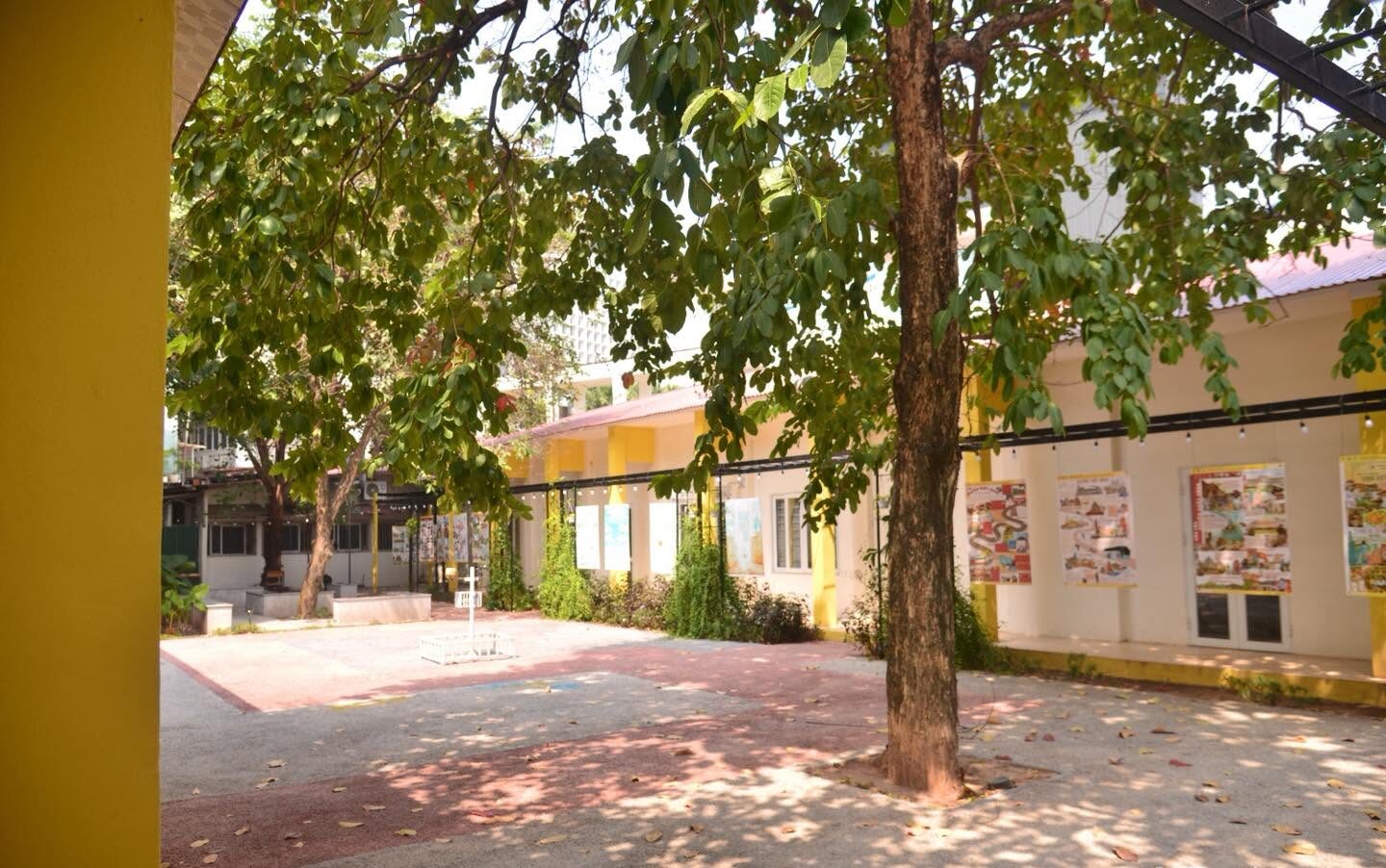
Designed in part by the students who use it
Students had a hand in the scheme before it was built. A campus competition invited them to redesign the derelict courtyard, and elements of their proposals carried into the final design, including opening up the middle block so that the two courtyards connect.
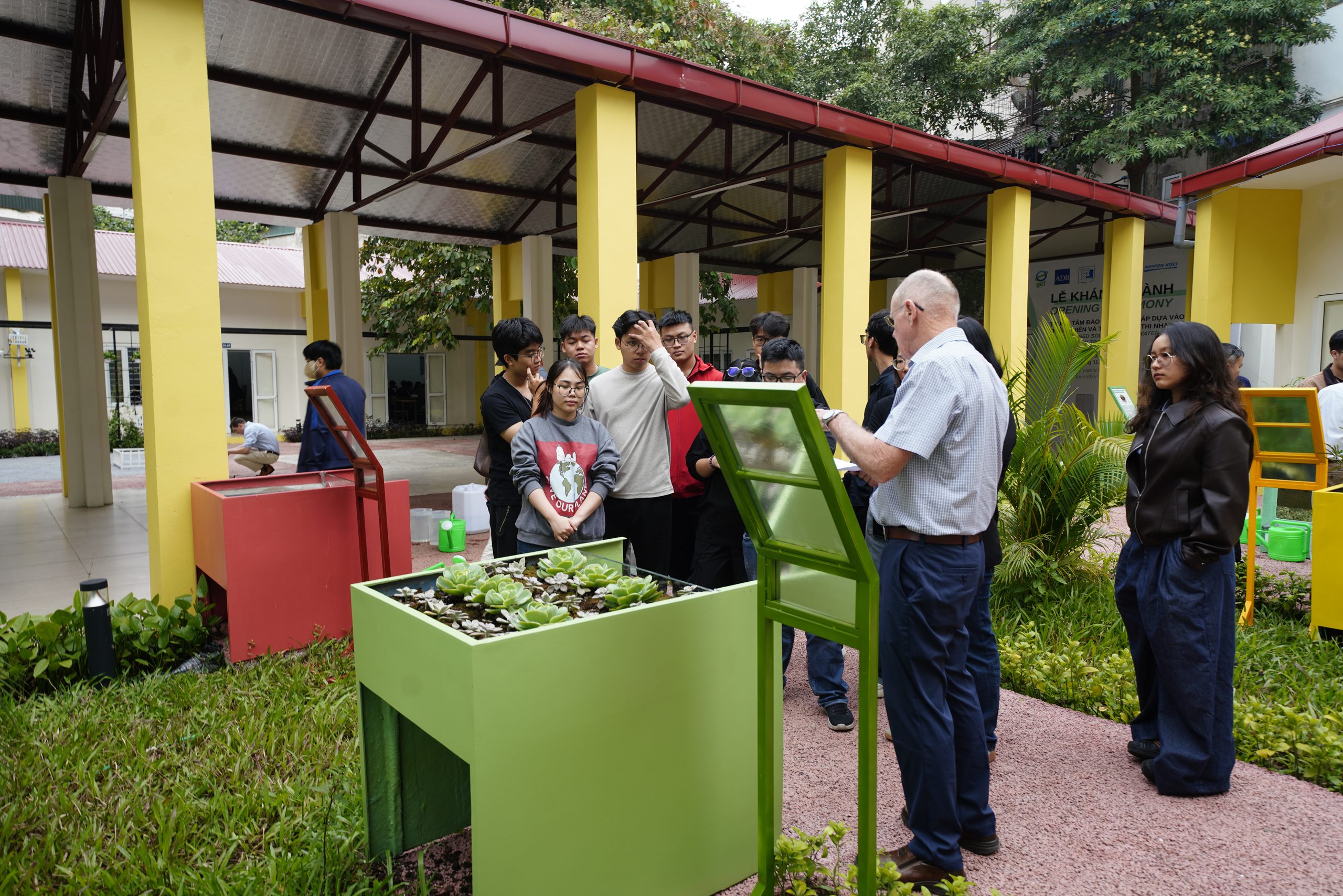
Seven demonstration boxes now show how bioretention basins, tree pits, permeable pavements and green roofs capture, retain, infiltrate and filter stormwater. Green walls, rain gardens and the rooftop harvesting system complete the picture, giving students and professionals a working example of how nature-based solutions complement conventional drainage.
“What we are hoping is that the students, future engineers, can come to this Training Hub and get their hands dirty, to understand how these assets work, and be comfortable in designing and using NbS in their future career,” says Alexander Nash, Urban Development Specialist at ADB.
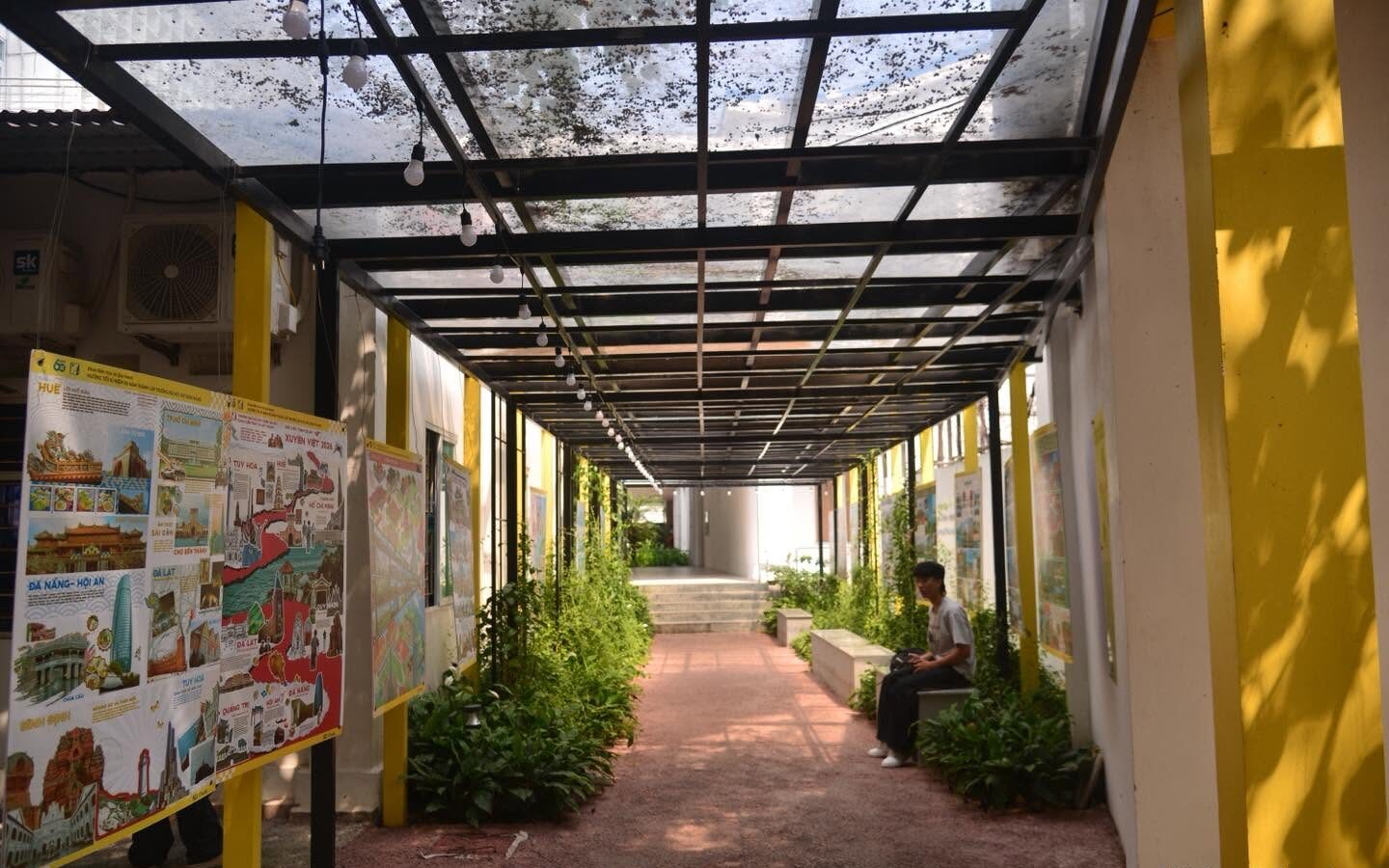
Green walls at the entrance of the NbS Training Hub