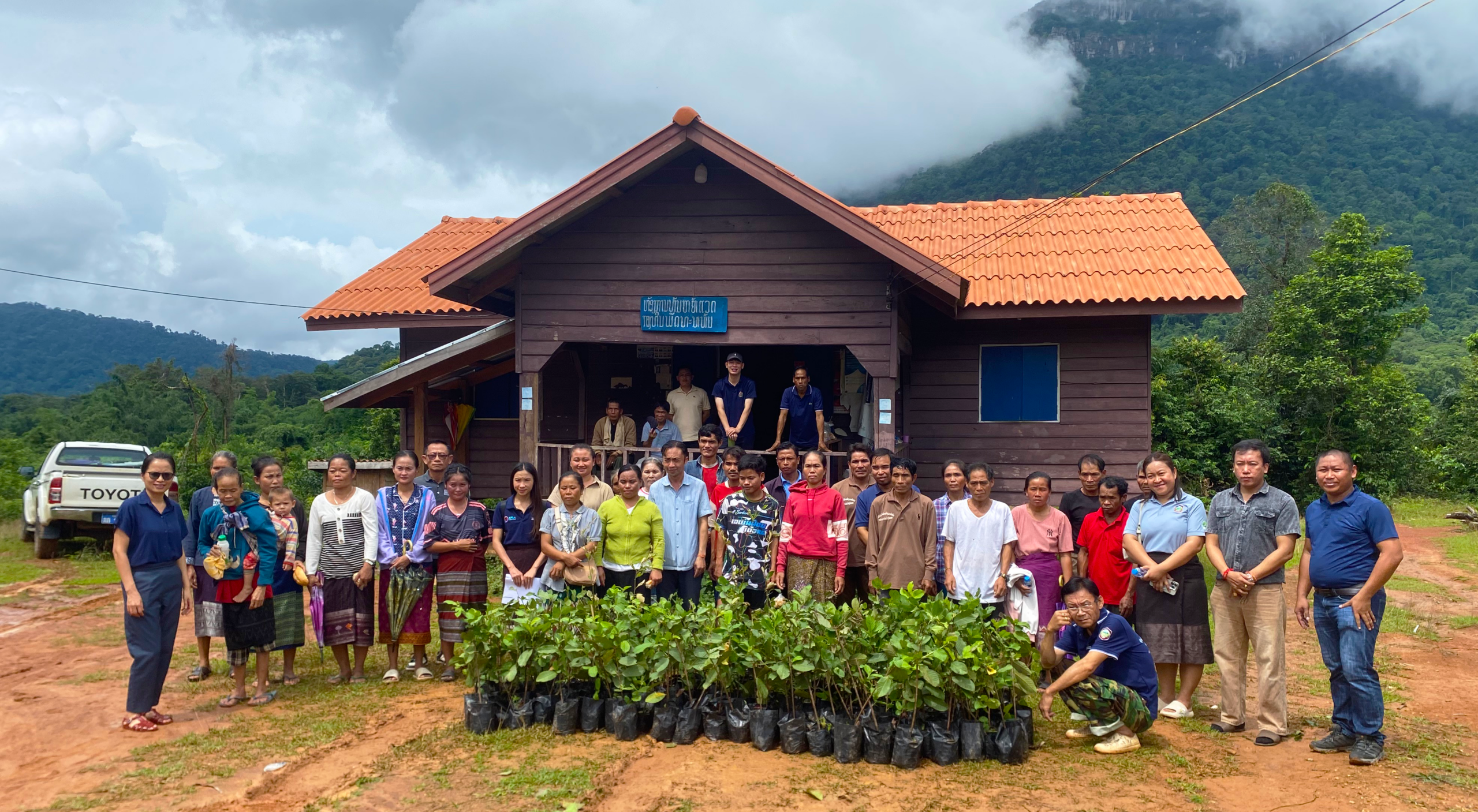
Farmers in Gnavet village on the edge Hin Nam No National Park in Laos have begun establishing model farms, through the planting of guava and jujube seedlings, as a first step towards diversifying their farms and sharing their knowledge with other community members.
Hin Nam No National Park is a rich and highly biodiverse karst mountain landscape that has achieved UNESCO natural heritage status.
The 11 model farms, along with community nurseries and training on planting techniques and soil conservation, are part of the Protected Areas and Development program (PAD III). PAD III aims to halt and reverse biodiversity loss, strengthen climate resilience and expand economic opportunities in Mekong region landscapes that extend across country borders in Cambodia, Laos, Myanmar, Thailand and Vietnam. It is funded by the Australian Government through the Mekong-Australia Partnership and implemented by ICEM as the lead organisation, in partnership with IUCN, Landcare Australia and the University of Tasmania.
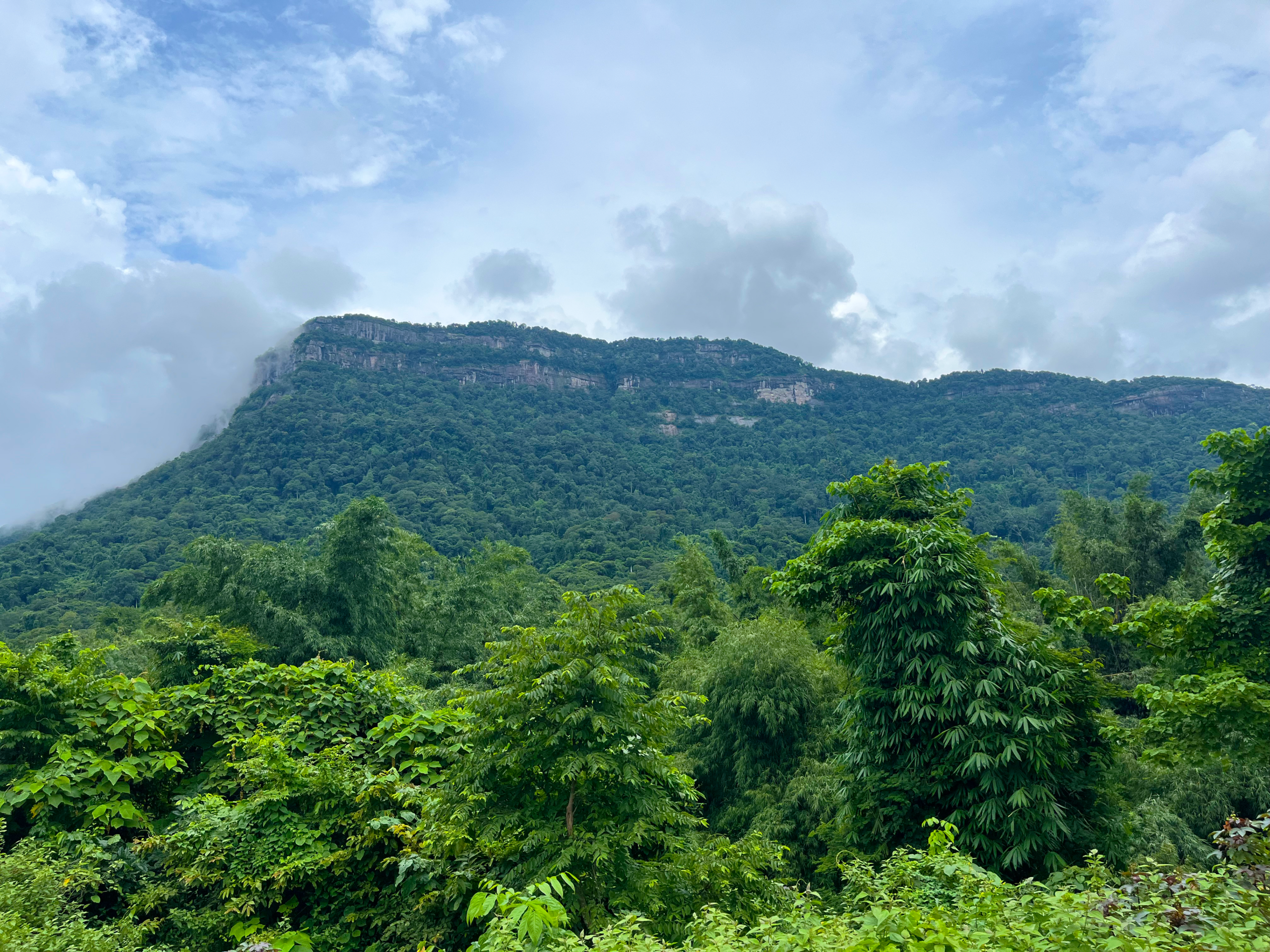
The area surrounding Him Nam No faces environmental pressures that include agricultural expansion into nearby forests driven by cassava plantations and declining soil health, trampling, excessive water runoff, and riverbank erosion. In addition, invasive plants crowd out native species, contributing to biodiversity loss and increasing erosion and fire risk. The model farms will show how farmers can diversify beyond cassava, improve soil conditions, restore native species and develop new sources of income, contributing to a reduction in unsustainable farmland expansion and restoration of degraded agro-ecosystems.
The model farmers in the park’s buffer zone were formally appointed by the Lao District Agriculture and Environment Office after expressing interest in the initiative and meeting its criteria. The guava and jujube seedlings will serve to enrich existing farms and improve management practices, complementing existing fields and orchards with fruit trees, banana, rattan, bamboo and other useful plants, as well as providing a strong foundation for developing diversified farming and agroforestry systems that support biodiversity.
Two farmers were provided with construction materials to establish community nurseries. The initial focus crop will be rattan, supplying a local source of the valuable plant for future distribution and expansion.
The model farmers will share their experience and provide practical learning opportunities to other farmers in a subsequent stage of farm improvement. Women, ethnic minorities and other vulnerable groups will also be included in these efforts as a focus for PAD III.
Next steps will include establishing a farmer field school, learning site, and roadside farm stand. Other planned activities include beekeeping, a seed collection program and seedling production, and convening of a women’s product development group that could sell handicrafts and locally processed beverages. The area also has strong ecotourism and ecosystem restoration potential. Recent PAD III assessments will make recommendations for community-based ecotourism alongside riverbank restoration activities.