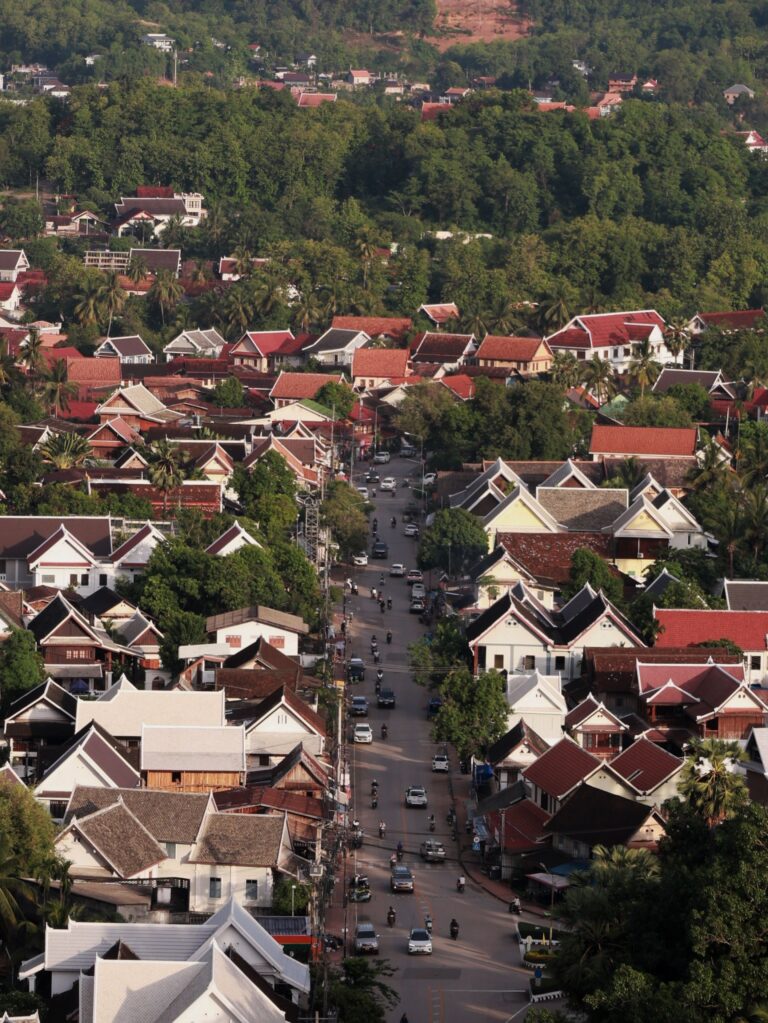
In mid-May 2026, a Mekong PAD III team travelled to Yok Don National Park in Viet Nam’s Central Highlands to assess the state of its forests and wetlands, the pressures of livestock grazing, and the livelihoods of the communities who live alongside it.
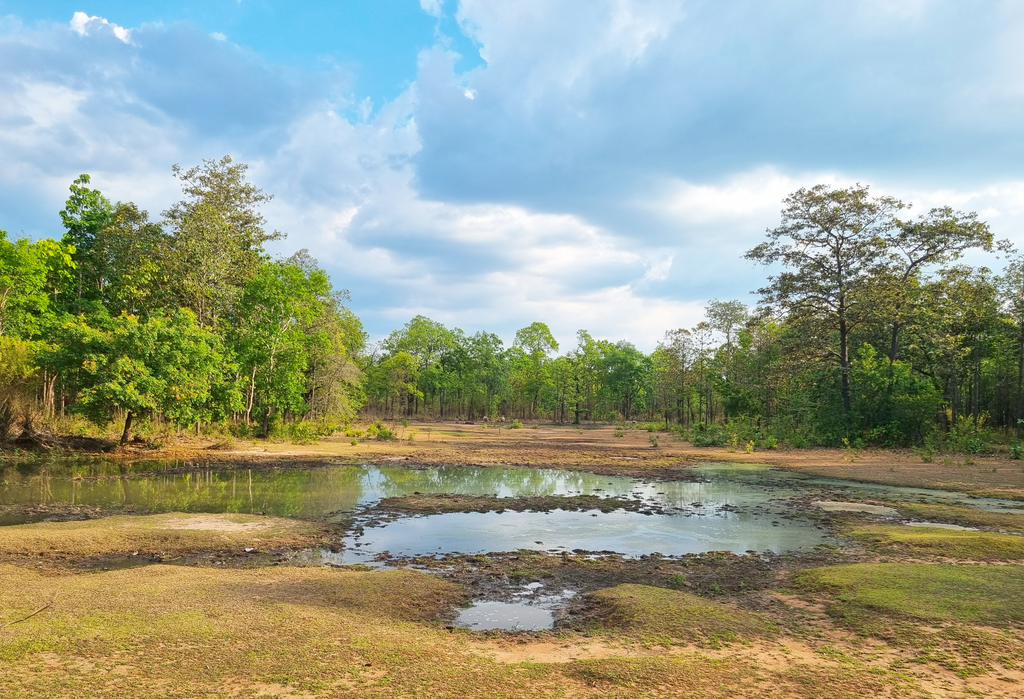
Yok Don is unlike anywhere else in the country. It holds Viet Nam’s only dry dipterocarp forest ecosystem – an open, seasonally dry woodland found almost nowhere else in the nation – and serves as a major corridor for the transboundary movement of more than 300 wild Asian elephants across the Eastern Plains Landscape. It is a place of real ecological significance, and it is under real pressure.
What the team did
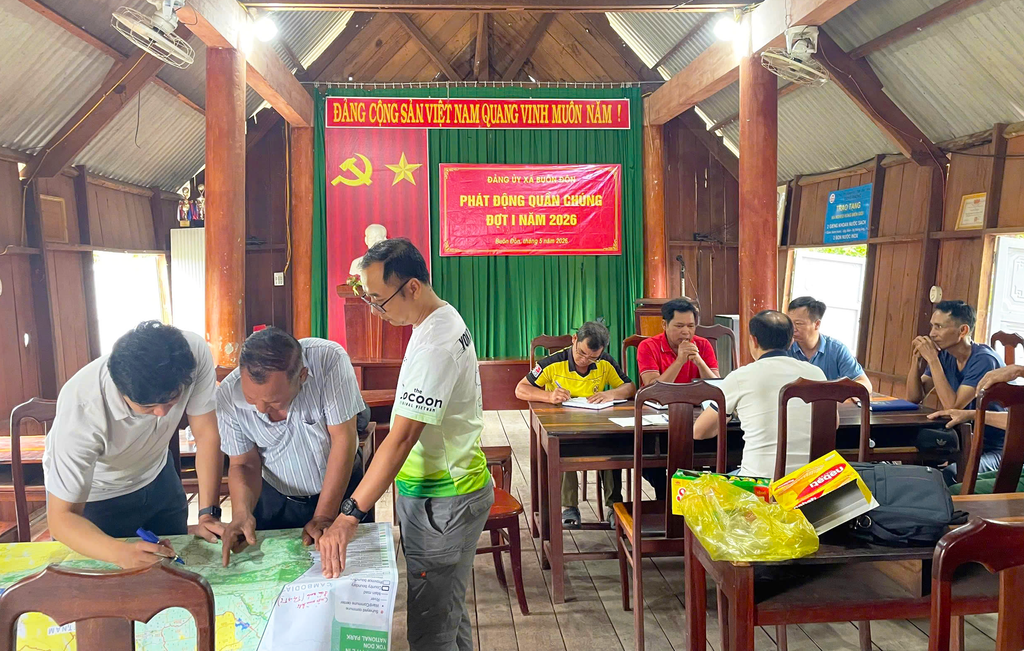
The team held consultation meetings with YDNP management and with the Ea Bung and Ea Sup communes, and spoke with villagers from selected communities. Field surveys covered a range of the park’s environments: different forest habitats, livestock grazing areas, and wetlands.
What the team found
The assessment identified several challenges that need urgent attention.
Forest fires are the single greatest threat to Yok Don’s dry dipterocarp forest. Recurrent fires have degraded the forest’s structure, reduced its ability to regenerate naturally, and accelerated the spread of shrubland and grassland in place of forest.
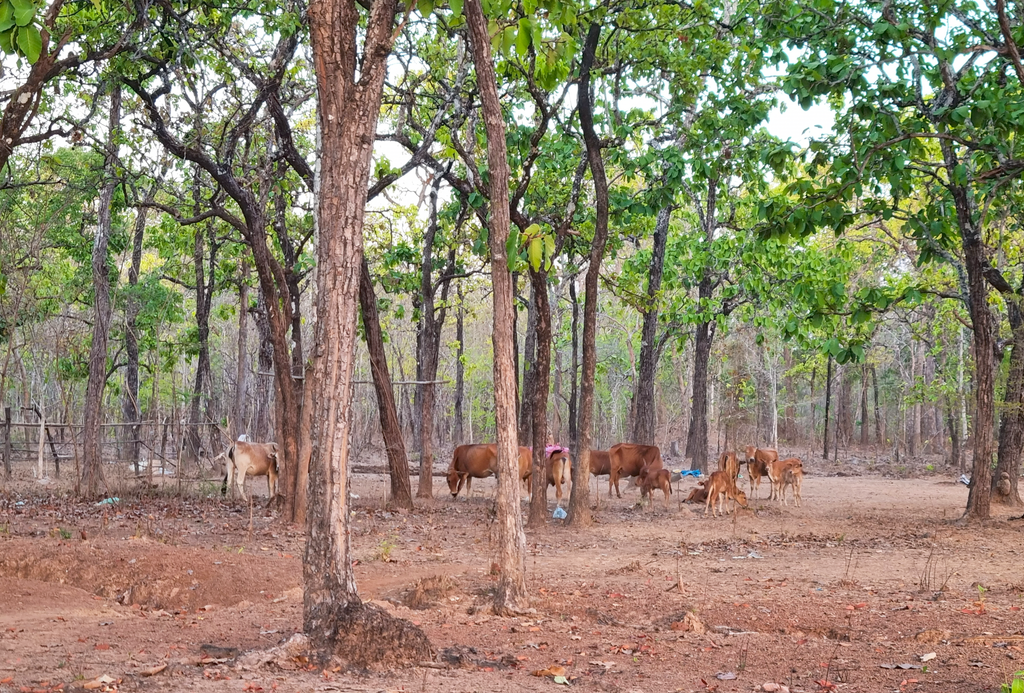
Grazing pressure is severe. More than 3,500 cattle from nearly 300 households are regularly grazed inside the park, trampling and damaging seedlings and saplings and degrading wetland habitats – undermining the forest’s capacity to renew itself.
That grazing also brings people deep into the forest. More than 100 people enter the park daily to manage and monitor livestock, raising the risk of illegal hunting, resource extraction, and fire.
Livestock compete directly with wildlife – elephants, gaur, deer and wild boar – for food and water, especially during the dry season, and increase the risk of disease transmission between domestic animals and wild populations.
And the communities themselves, both in the buffer zone and inside the park, depend heavily on the forest and its natural resources for their livelihoods – which means any lasting solution has to work for people as well as for the forest.
What comes next
These findings are an initial foundation for action. Working together with Yok Don National Park, local communities, and partners including PanNature, ICEM and PAD III will develop practical measures that protect biodiversity while improving local livelihoods: transitioning away from free-range grazing, restoring degraded ecosystems, and creating sustainable income through conservation-friendly livelihood models.
The Mekong PAD III Program is funded by the Australian Government through the Mekong-Australia Partnership and implemented by ICEM as the lead organisation, in partnership with IUCN, Landcare Australia and the University of Tasmania.